NETRA TARPANA
Ayurvedic Eye Therapy
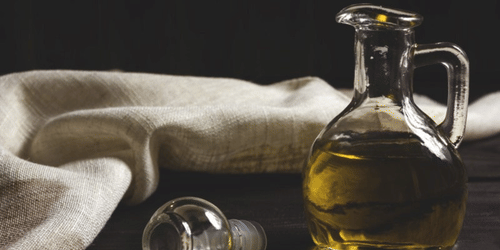
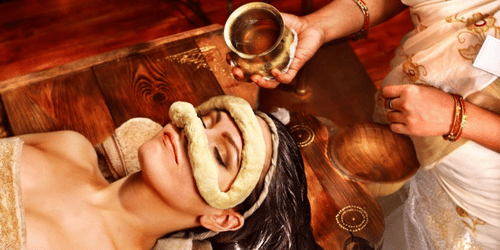
Netra Tarpana is a procedure where circular formed frames made of a powdered Masha paste are placed around the eyes. Lukewarm medicated “ghee” (according to the dosha) is then poured into the frames.
How Netra Tarpana Works
Netra Tarpana is an ancient ayurvedic method that has been used for thousands of years. To treat disorders of the eyes, Netra Tarpana proves beneficial for those who regularly work in front of computers and experience discomfort. In today’s age of technology, our eyes are constantly staring at screens and bearing harsh emissions. With this treatment, ghee can be used as both a preventive and curative measure.
Lukewarm Ghrita or ghee is combined with medicinal herbs and poured on closed eyes within the frames of the Masha paste. The patient is instructed to open and close their eyes intermittently which allows the medicinal properties of the liquified Ghrita to soak through. Depending on the intensity of the ailment dictates how long the Ghrita should stay on the eyes.
Netra Tarpana cools, lubricates, and revitalizes the eyes. This treatment improves inner vision by cleaning even the smallest channels associated with inner and outer perception. It helps bring back clarity to the eyes as impurities are expelled and ailments are corrected. Netra Tarpana is traditionally used to support the management of early formations of cataracts, glaucoma, and conjunctivitis.
Importance of Netra Tarpana
It is said that the “eyes are the windows to our soul” and they are the most revealing sense organ in the human body. The eye feeds visual stimuli to the brain, and in Ayurveda the head is considered to be the most important part of the body. Heavy pollution in the air and constant staring at screens naturally harm this sense organ and lead to multiple problems.
The most common ailments faced by patients are heaviness of the eyes, difficulty in opening eyes, conjunctivitis, dry eyes, and hazy vision. Depending on the discomfort felt and the dosha of the patients, a medicinal concoction of ghee is used for the treatment. There are certain vital points (marmas) on the eye which suffer the most during stress and pollution. These points are alleviated by this treatment.
Each one of the vital points of the eye controls a specific kind of action related to the mind and body:
- Ajna and Sthapani – focuses on the connection between the eyes, brain, and the mind. Ajna connects the eyes and the mind while Staphani improves the interaction between brain and eye function.
- Apanga and Shankha – releases any tension that may be present in and around the eye. The Shankha marma is specifically related to tension and heaviness.
- Phana – associated with the nostrils and is divided into the left and right. This distinction between the nostrils relates to Soma and Agni. The Soma cools the eyes while the Agni helps the eyes and brain coordinate visual information being received and processed.
- Urdhaw and Adhoakshi – provide the eyes with life energy or Prana. This is a method that heals the body by treating one’s energy field.
Netra Tarpana treatment rejuvenates and relieves the stress accumulated in the eyes and helps these marmas to work effortlessly.
Depending on the dosha of the patient and the severity of the problem, the procedure extends up to a maximum of five days. Even the medicinal concoction and the type of Ghrita differ according to Vata, Pitta, and Kapha. The time period ranges anywhere from one to five days so that there is a noticeable difference in the patient's condition before and after the treatment.
Tarpana is preventive as well and could be used as much more than its curative element. An extremely healthy person could also use this treatment on a daily basis to protect their eyes from harm.
Indications of Tarpana
The concoction of medicinal herbs and ghee seeps deep into the subtle channels of the eye. It is traditionally indicated as a supportive therapy, alongside conventional ophthalmic care, in:
- Dry eye syndrome
- Computer vision
- Conjunctivitis and other corneal ailments
- Early cataract formations
- Glaucoma
- Refractive errors
- Optic Neuritis
- Diabetic retinopathy
- Improper coordination and loss of movement of the eyeballs, along with pain and burning sensations
Advisory Note
Netra Tarpana should be performed in the afternoon in optimal temperature conditions. Extremely cold or hot conditions should be avoided. This treatment should be performed by a trained Ayurvedic practitioner. Some signs of ati-tarpita "over-treatment" include heaviness of the eyes, indistinct vision, excessive oiliness.
Resources
- Sharma, O., Kaundal, R., Hiremath, J., & Kumar, A. NETRA TARPANA- A UNIQUE OCULAR THERAPY IN AYURVEDA. International Ayurvedic Medical Journal.
Glossary
- Netra Tarpana = warm ghee held over the eyes inside a ring of dough
- Dosha = one of the three functional types Ayurveda uses to classify imbalance
- Vata = the dosha associated with movement
- Pitta = the dosha associated with heat and digestion
- Kapha = the dosha associated with structure and fluid
- Marma = a point on the body treated as vital in Ayurveda
- Ghee / Ghrita = clarified butter
GET IN TOUCH
Please take a moment to fill out the form below with your contact information. A YO1 Longevity & Health Resorts representative will reach out to you with additional information.
BOOK YOUR HEALTH PROGRAMS AND THERAPIES NOW
We welcome the opportunity to assist you. If you would like to learn more about the health programs or therapies offered at YO1, please contact us to speak directly with a YO1 Longevity & Health Resorts representative.