
WHAT IS AYURVEDA AND HOW IS IT GOOD FOR YOUR HEALTH?
Last Updated on 17 September, 2026
Name: Ayurveda Treatment
Therapies: Panchakarma, Shamana, Bhrimana
Components: Herbs, oils, spices, massages and therapies using natural ingredients
Purpose: Balances body doshas, widely used to treat several physical and psychological conditions
Benefits: Maintaining and restoring the body’s capability to balance and fight with ailments, relieve stress, anti-aging, metabolism booster
The history of medicine has always been intriguing to the existence of humans. Medicine has evolved into a solid platform where treatment for the most rigid and life-threatening diseases is readily available.
The oldest form of medicine is known to us as Ayurveda – a sophisticated combination of six crucial Indian philosophical, medical, physical and behavioral systems.
Primarily in Ayurveda, the emphasis is given on herbal remedies with diet modification for treatment. Add-on therapies include massage and meditation to balance body “doshas” that in turn eliminate impurities, boost immunity, and create a sense of harmony in the body and way of thinking.
“Ayur”, meaning life, and “veda”, meaning knowledge, together form a system built around the balance and disorder of human ecology and behavior. It is a combined assessment of the collective “mind-body-senses-spirit.”
Origin of Ayurveda
Ayurvedic Body Types
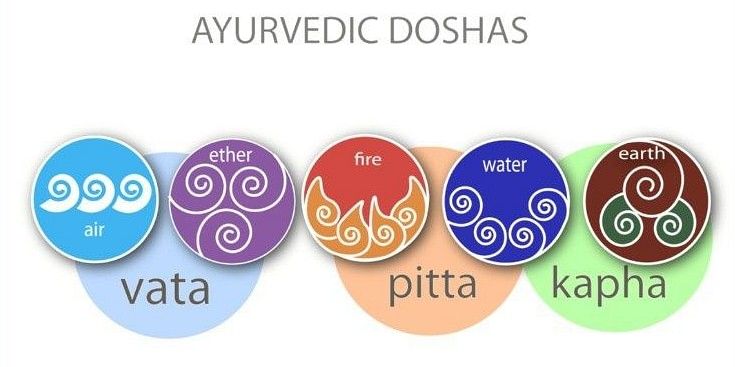
“Prakriti” or nature of a person’s body, is characterized into three energies in Ayurveda – pitta, kapha and vata. It is imperative in Ayurveda to have these energies balanced for better health.
Prakriti explains why different bodies react differently to the exact same things.
Pitta – Constitutes fire and water – higher or lower levels result in inflammation, infections, and ulcers
Vata – Constitutes space and air – imbalances result in constipation, arthritis, and anxiety
Kapha – Constitutes water and earth – imbalances create obesity, diabetes, and congestive disorders
How Do You Know Which Dosha You Are?
Most people recognize themselves somewhere in the descriptions rather than landing squarely in one. That is normal, as almost everyone is a combination, with one or two energies more prominent than the third.
| Tends toward | Under strain, shows up as | |
| Vata | Light build, quick thinking, variable appetite, dislikes cold | Restlessness, broken sleep, dry skin, constipation, worry |
| Pitta | Medium build, strong appetite, sharp focus, dislikes heat | Irritability, heartburn, inflammation, skin flare-ups |
| Kapha | Solid build, steady energy, calm temperament, dislikes damp | Sluggishness, congestion, weight gain, reluctance to start |
Two distinctions are worth holding on to. Prakriti is the constitution you were born with and does not change. Vikriti is your current state, which does. Most of what Ayurvedic treatment addresses is the gap between the two, which is why an assessment looks at how you are now, not only at which type you are.
Ayurvedic Treatments
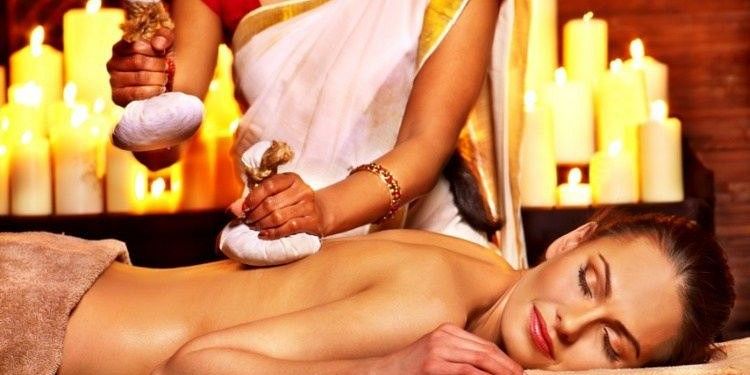
Panchakarma, Shamana, and Bhrimana are three essential treatments in Ayurveda.
Panchakarma – this is the therapy of elimination. The process eliminates impurities through enemas, massages, and medical oils. Nasal administration, medicated enemas, purgation, blood-letting, and vomiting are used to cleanse the body.
Shamana – this is the therapy of pacification, used for balancing opposites with the help of dietary and lifestyle changes. Complementary activities that support these therapies include yoga, meditation and herbal preparations.
Bhrimana – these are nourishing therapies used for treatment of strength or emaciation issues.
Ayurveda to Improve Health
Ayurveda is a tool to uproot the cause of diseases from your body. Because the system favors gentle, natural remedies, side effects are uncommon—but natural does not mean without effect, and herbal preparations can interact with prescription medication.
Ayurvedic practitioners suggest that with consistent use, these remedies can ease long-standing complaints and stress, and support metabolism.
There is still some conflict persisting between western medicine and natural treatments. Many people use Ayurvedic approaches alongside conventional medicine. Tell both your doctor and your practitioner what you are taking, since herbs and prescription drugs can interact.
It is best to consult a practitioner before adopting any natural remedial course and ensure that it comfortably coordinates with your regular treatment plan.
Ayurveda does not claim to cure all diseases but aims at detoxifying the impurities in the body and mind. It operates on the soul and conscious level and therefore is considered more effective as you enable your body to naturally balance itself.
Using Ayurveda Alongside Modern Medicine
Ayurveda sits comfortably beside conventional care, and it does so best when both sides know what the other is doing. A few practical points make that straightforward:
- Tell your doctor about every herb and supplement you take, including ones bought without a prescription. Herbal preparations can interact with blood thinners, thyroid medication, diabetes medication and sedatives
- Never stop or reduce prescribed medication in order to try an Ayurvedic approach. Anything of that kind belongs with the doctor who prescribed it
- Buy herbal products from reputable suppliers. Some imported preparations have been found to contain heavy metals, and quality varies widely between sources
- Take extra care if you are pregnant, breastfeeding, or managing liver or kidney disease, as several common herbs are unsuitable in those situations
- Treat anything acute, severe or getting steadily worse as a medical matter first
None of this diminishes what Ayurveda offers. It is a long tradition with a great deal to say about diet, routine, sleep and stress, and those are exactly the areas where conventional medicine has least to offer and most to gain.
Health Conditions That Ayurveda Can Treat
Ayurveda works as a science through the observation of body types, symptoms, and lifestyle. The use of Ayurvedic treatments and healing therapies works best to allow the body to regain health. Ayurveda is traditionally used to support:
- Insomnia
- Menopause
- Migraine
- Sciatica
- Weight Loss
- Skin problems
- Fertility
- Eczema
- Dry skin, eyes
- Low libido
- Postpartum
Ayurveda relies on the importance of holistic development and nourishment of the body.
The pivotal role of Ayurveda as a medicine is to ensure that the body functions in a healthy manner through conscious healthy lifestyle habits such as proper diet, fitness, and positive mental health.
Frequently Asked Questions
1. Is Ayurveda a religion?
No. It developed within the same culture as several Indian philosophical traditions and shares vocabulary with them, but it is a system of medicine and lifestyle rather than a faith. It requires no belief to follow.
2. Do I have to become vegetarian?
No. Ayurvedic dietary guidance is built around what suits your constitution, the season and your digestion, rather than around a single prescribed diet. Meals at YO1 happen to be vegetarian, which is a choice made by the resort rather than a requirement of Ayurveda.
3. How is Ayurveda different from naturopathy?
They overlap in outlook and differ in origin and method. Ayurveda comes from India and works through doshas, herbal preparations, medicated oil therapies and Panchakarma. Naturopathy developed largely in Europe and works through water, mud, diet, fasting and manual therapies.
4. How long does it take to see results?
Sleep, digestion and energy often respond within a few weeks of consistent changes. Anything long-standing takes longer, since the approach works by shifting daily patterns rather than by suppressing a symptom.
5. Can I follow Ayurveda without going to a practitioner?
Much of it, like regular meal times, eating with the seasons, a consistent sleep routine, warm food when digestion is weak, etc. are safe to adopt on your own. Herbal preparations and therapies such as Panchakarma are a different matter and should be guided by someone trained.
Blog

What Are the Elements in Ayurveda and Their Significance?
Ayurvedic principles state that the cosmos are compiled of the “Pancha Maha Bhutas” also known as the “Five Great Elements.”
The Benefits of Practicing Ayurveda
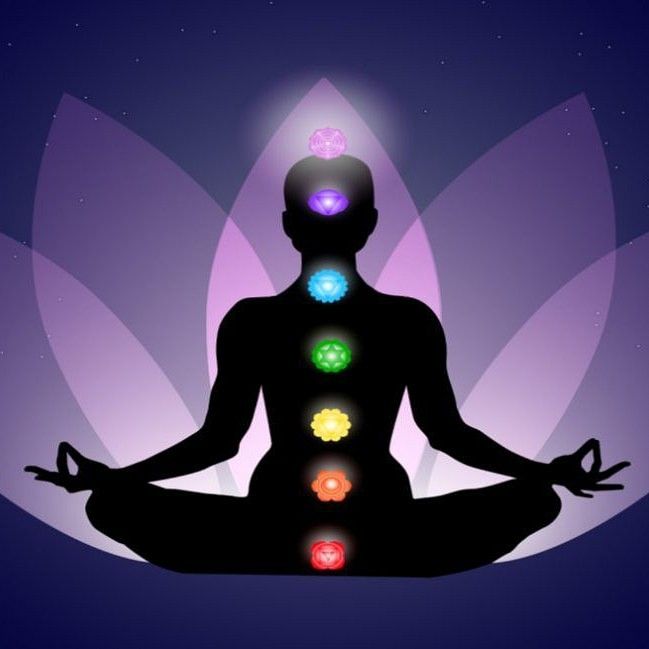
Ayurveda is based on the principle that to achieve and maintain health over the course of your life, you must re-balancing emotions, improve diet, practice yoga and “pranayama” (breathing exercises), and make lifestyle adjustments.
Live the Tranquil Life
YO1 Longevity & Health Resorts provides unspoilt nature that calms one down. The pristine lake, lush woodlands, the long nature trails and immense positivity relaxes mind, body and the soul.
Get in Touch
Press Coverage



Connect with Us, Start Your Journey
+1 845 237 9100 | Mon - Sun 9:00 AM to 9:00 PM
Book Your Stay