How Padabhyangam Therapy Heals Your Body and Mind
What is Padabhyangam Therapy?
Ayurveda is an indispensable way of living that uses methodically crafted therapies to ensure smooth bodily function and restored wellness. Ayurveda stresses on life-long healing through therapies and procedures. The “mother” of all therapies is known as “Padabhyangam”.
Padabhyangam can be loosely translated as “foot massage “or “foot therapy”. This therapy holds a special place of importance in Ayurveda because our feet connect our body with the earth. Foot care is holistic and involves massaging the pressure points with herbal and medicinal oils. Applying the right massage techniques relieves the body of its ailments and restores the root of our body and soul through our feet.
Padabhyangam Therapy Procedure and How it Impacts the Body
There are several different techniques used in Padabhyangam to administer a beneficial oil massage.
Hand Techniques
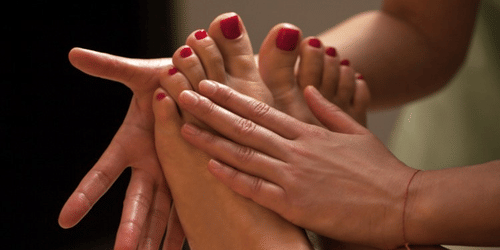
Sesame oil is the preferred oil in Padabhyanga because it is a powerful antioxidant and is easily absorbed in the skin.
Cow ghee, Ksheerabala tailam, and Eranda tailam are also used. Mahamasha tailam, Ksheerabala tailam, Mahanarayana tailam, Kottamchukkadi tailam, Murivenna, Pinda tailam, Tiktaka ghritam, and Guggulutiktaka ghritam are all medicated oils frequently used for the therapy as well.
Applying generous amounts of the medicated or herb oil on the foot and massaging releases toxins. After liberally applying the oil to the soles, heels, ankle joints, and legs, it is then rubbed energetically into the bones of the joint and tendon. In general, this massage can extend up to an hour of stroking and rubbing the feet.
The energy points are focused upon with care to ensure they are activated. They stimulate the flow of energy and direct it in the intended way. The practitioner applies moderate pressure in circular motions to generate a calming and rejuvenating experience.
Kasa Bowl
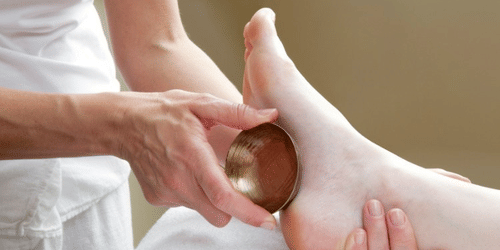
Ayurvedic treatments often include the extensive use of metals. A small bronze bowl called “kasa” is often coated with oil and warmed up to gently massage the foot. Applying the strokes in circular motions on the plantar surface particularly helps in blood circulation. Copper, tin, and bronze are all popular and widely used. They also help maintain body temperature and balance.
The feet are also exposed to the fumes of herbal decoctions, if required.
Marma Therapy
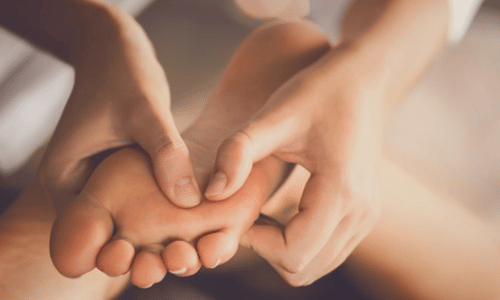
Body Parts Treated in Padabhyangam Therapy
Ayurveda illustrates that different parts of the feet correspond to different organs in the body. The feet have pressure points called “marma”. These are the energy centers that run throughout the body. When pressed, it triggers the circulatory energies in the liver, kidneys, stomach, neck, heart, head, and other organs.
In Ayurveda, it is said that, out of 107 marmas, 11 are located in the lower limbs, which also contain many nerve endings. Padabhyanga helps release all the negative energy from these marmas and contributes to good health and well-being.
It is safe to say that Padabhyanga directly influences the subconscious nature while simultaneously providing a psychological cleansing effect.
This therapy begins with applying lukewarm oil or ghee to the feet, including soles, heels, ankle joints, and legs. Applying the oil liberally allows relief and detoxification. Many organs in the body have nerves that terminate in the feet, so a therapy that focuses on treating these nerves proves quite beneficial for those experiencing general health and mind issues. Padabhyangam helps to strengthen these nerves and restores health to many parts of the body.
Diseases & Conditions Treated in Padabhyangam
There are multiple health benefits of this therapy:
- Padabhyanga relieves stiffness, dryness, and numbness of the leg and foot
- Offers sturdiness and stability to the foot and limbs
- Promotes healthy eyesight and hearing senses
- Reduces sciatica pain through enhanced blood circulation and improved peripheral circulation
- Prevents foot ailments and relieves contraction of muscles, ligaments, and vessels of the feet
- Prevents cracks in the foot and leaves the feel looking healthier and attractive
- Padabhyanga reduces stress, calm the mind, and allows a rejuvenated mind and body
- Relaxes and revitalizes the central nervous system
- Removes fatigue from the lower limbs and improves quality of sleep
- Activates metabolism, cures headaches, and prevents onset of degeneration
- Helps to calm and maintain the “Vata Dosha” which in excess is considered the main cause of major illnesses
- Provides overall immunity to the body
Padabhyangam can help alleviate some symptoms of:
- Hypertension
- Insomnia
- Depression
- Diabetic neuropathy
- Anxiety
- Sprains, cramps, and numbness of the feet and legs
- Roughness and cracking of the feet
Who is Padabhyangam Therapy Recommended For?
Padabhyangam, a soothing and calming massage, is highly recommended on a daily basis before going to bed. A gentle massage including stroking and rubbing of the foot generates better cardiovascular circulation in the foot and helps you feel relaxed.
If you particularly experience fatigue, insomnia, grogginess or cramps, a simple 15 minute foot massage may help relieve your condition. Foot reflexology has a positive effect on the mind and body. The use of Padabhyangam promotes healthy growth in children, allows adults to maintain their vigor and strength, and helps prevent the onset of degenerative diseases in older people.
Padabhyangam should not be done when you have a cold, fever, toxin-induced coma, blood infection, thrombosis, indigestion, abnormal skin condition, or any circulatory disorder of the lower limbs.
In short, if you wish to rejuvenate and fortify your health, Padabhyangam is the recommended therapy for you.
Ensure that you receive the therapy from an experienced practitioner or massage therapist.
Reference Links
- https://www.shantiyoga.com.au/ayurvedic-treatments/padabhyanga-ayurvedic-foot-massage/
Glossary
- Abhyanga / Abhyangam = warm-oil massage over the whole body
- Padabhyanga / Padabhyangam = foot massage
- Pinda = a bolus, i.e. a tied cloth pouch
- Dosha = one of the three functional types Ayurveda uses to classify imbalance
- Vata = the dosha associated with movement
- Marma = a point on the body treated as vital in Ayurveda
- Ghee / Ghrita = clarified butter
BLOG
GET IN TOUCH
Please take a moment to fill out the form below with your contact information. A YO1 Longevity & Health Resorts representative will reach out to you with additional information.