4 THINGS NOT TO DO AFTER A FILLING MEAL
Last Updated on 17 September, 2026
Why a Big Meal Makes You Feel Like That
The heaviness after a large meal is not imagination. Digestion is demanding work, and blood flow shifts toward the stomach and intestines to support it. A big meal, particularly one high in refined carbohydrates, also triggers a substantial insulin response, and the dip in alertness that follows is what most people register as the urge to lie down.
The stomach itself is doing something mechanical at the same time. It stretches to hold the meal and takes anywhere from two to four hours to empty, longer after a fatty meal. For that window the ring of muscle at the top of the stomach is under pressure from below, which is why posture matters so much in the hour or two afterward.
Sleeping
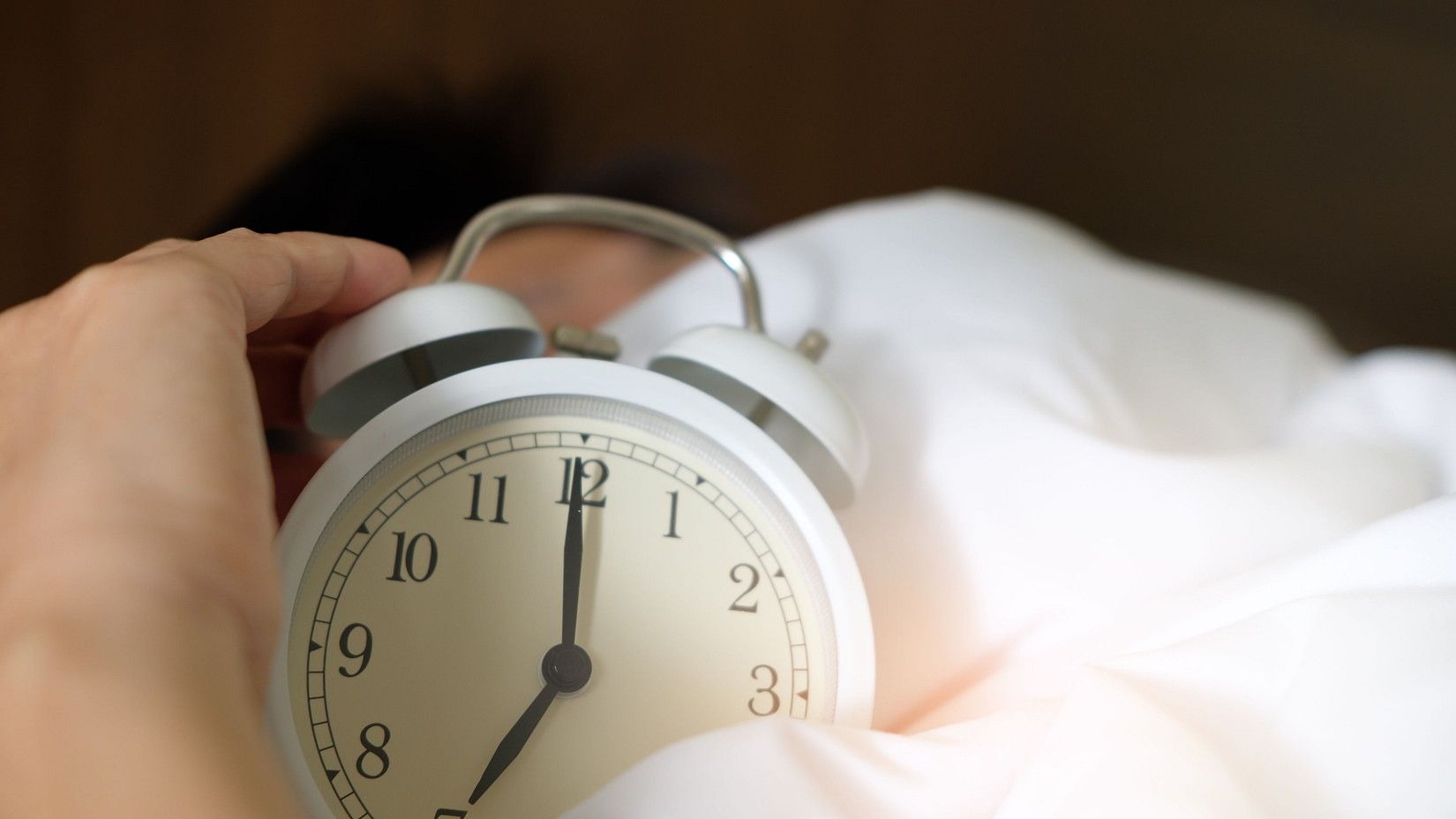
After a heavy meal, you generally feel sluggish. However, taking a nap immediately after eating is not a good idea. Lying down on a full stomach makes indigestion and reflux more likely, and a routine of eating late and going straight to bed is linked to poorer metabolic health over time. The best practice is to wait at least two to three hours after eating before lying down.
Bathing
Taking a shower after a heavy meal is also not a healthy thing to do. A hot bath draws blood toward the skin, and on a full stomach that can leave you feeling uncomfortable or light-headed. What you can do is wait for at least 30 minutes after having your food before going for your bath.
Drinking Tea
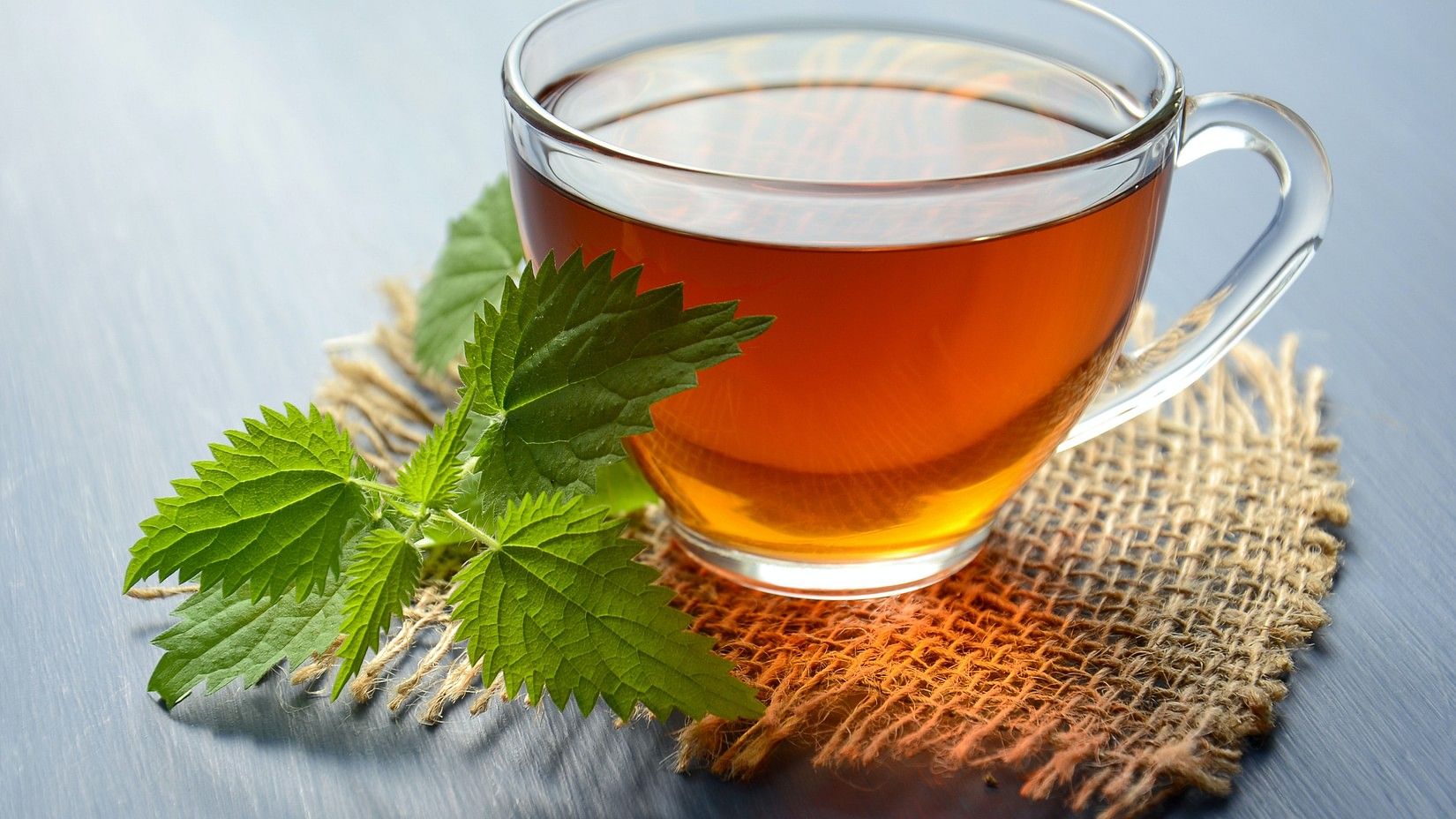
If you like to have a cup of tea as part of your meal or just after it, you need to stop. Tea and coffee contain tannins, which reduce how much iron your body absorbs from a meal — particularly the non-heme iron found in plant foods. This matters most if you are iron-deficient, pregnant, or eating a mostly plant-based diet. Health experts suggest staying off tea one hour before and after your meals.
Smoking
Smoking is detrimental to your long term health. If you smoke after eating, it is worth knowing why the timing makes things worse. Eating increases blood flow to the stomach, which speeds nicotine absorption and adds strain on the heart. Nicotine also suppresses the secretions the stomach uses to digest and protect itself.
The best option is to stop smoking altogether. Reach out to your healthcare provider for cessation support.
What to Do Instead
Most of the discomfort after a heavy meal responds to small, unglamorous adjustments:
- Take a short walk. Ten to fifteen minutes at an easy pace helps the stomach empty and steadies blood sugar afterward. Brisk exercise is a different matter and is better left for later.
- Stay sitting or standing. Upright posture keeps gravity working in your favor. If you must lie down, the left side is easier on the stomach than the right.
- Sip warm water rather than gulping cold drinks. Small amounts are fine and will not dilute anything meaningfully.
- Loosen anything tight at the waist. A belt or waistband pressing on a full stomach pushes contents upward.
- Give it time before the next thing. Nearly every rule about eating heavily comes down to the same instruction: wait.
How Long to Wait
| After a heavy meal | Wait about | Why |
| Lying down or napping | 2 to 3 hours | Gives the stomach time to empty and reduces reflux |
| Bathing or showering | 30 minutes | Comfort, mostly; a hot bath on a full stomach is unpleasant |
| Tea or coffee | 1 hour either side | Protects iron absorption from the meal |
| Vigorous exercise | 2 to 3 hours | Reduces cramping, stitch and nausea |
| A gentle walk | No wait needed | Actively helps |
The Ayurvedic View of Eating Well
Ayurveda treats digestive capacity, agni, as something that varies through the day and is strongest around midday. The traditional advice follows directly from that: make lunch the largest meal, keep dinner lighter and earlier, and favor warm, cooked food over cold or raw when digestion feels sluggish.
Two other habits from the same tradition hold up well. Eat without a screen in front of you, since distraction reliably leads to eating more and chewing less. And stop before you are completely full - the classical guidance is to leave about a third of the stomach empty, which is a more workable rule than it sounds.
When Discomfort After Eating Needs a Doctor
Occasional heaviness after a large meal is ordinary. Some symptoms are not, and they are easily mistaken for indigestion:
- Pressure, tightness or pain in the chest, jaw, neck or arm, especially with sweating, nausea or breathlessness. Treat this as a possible heart problem and seek emergency care rather than waiting to see whether it passes.
- Difficulty or pain when swallowing, or the sense of food sticking
- Vomiting blood, or stools that are black and tarry
- Weight loss you did not intend
- Heartburn more than twice a week, or symptoms that need antacids most days
- Pain that wakes you at night, or persistent vomiting
None of these are reasons to panic, and all of them are reasons to make an appointment rather than adjust your habits and hope.
Frequently Asked Questions
1. Is it really bad to sleep after eating?
Lying down soon after a large meal makes reflux more likely, because the stomach is full and gravity is no longer helping. Two to three hours is the usual recommendation. A short nap after a small lunch is a different situation and rarely causes trouble.
2. Does walking after a meal actually help?
A short, easy walk helps the stomach empty and blunts the rise in blood sugar afterward. Ten to fifteen minutes is enough, and it does not need to be brisk.
3. Should I drink water with my meal?
Sipping water with food is fine and does not meaningfully dilute digestion. Large quantities of cold liquid on a full stomach are what tend to feel uncomfortable.
4. Why do I feel sleepy after lunch specifically?
A combination of the meal itself and the natural dip in alertness that happens in the early afternoon regardless of eating. A large, carbohydrate-heavy lunch makes an existing dip more noticeable.
5. Is fruit after a meal a problem?
For most people, no. If you find fruit after a meal causes bloating, eating it between meals instead usually solves it. There is no need to follow strict food-combining rules unless they genuinely help you.
Get in Touch
Press Coverage



Connect with Us, Start Your Journey
+1 845 237 9100 | Mon - Sun 9:00 AM to 9:00 PM
Book Your Stay