A LOW FODMAP DIET FOR BETTER DIGESTIVE HEALTH
About the Diet
There are three stages in this diet. The first stage consists of restricting certain foods that are high in FODMAP. This process can be done for about 3 - 8 weeks but not longer than that. This is because foods with high FODMAP are good for gut health and not consuming these foods for a long time can have a detrimental effect on you. Generally, you will notice a considerable improvement in your symptoms by the third week and, at this time, you can proceed to the next level.
The next step is to reintroduce the high-FODMAP foods back into your diet. Through this process, we can identify which type of FODMAP's you can tolerate. You may be sensitive to a few of these foods but not all of them. You can include one food at a time and see your reaction over a period of three days. This will help you understand what type of foods that you are sensitive to and you can exclude such foods from your diet.
The third step is to personalize this diet. Now you can include those foods which you are comfortable with, but still maintain the overall low-FODMAP diet.
Benefits of This Diet
Following this diet reduces the symptoms of Irritable Bowel Syndrome (IBS). You will also experience relief from bloating, acid reflux, gas, abdominal pain and diarrhoea. This diet is also known to increase the energy levels of people and contribute to their overall health and fitness. You must keep in mind that this diet is not for people with a healthy digestive system, it is specifically meant for people with IBS and may have negative effects on others. Additionally, this diet is not recommended for children and pregnant women.
Who Needs to Follow This Diet?
If you are experiencing IBS or any other digestive discomforts mentioned above, then you may try out this diet. Individuals who don't respond to other forms of therapy for their IBS symptoms are perfect candidates for this diet.
Things to Keep in Mind
Before you start this diet, you need to make sure that you actually have IBS. It is best to consult a doctor before going on this diet as IBS symptoms may also point to more serious medical conditions that require immediate medical intervention.

Low-FODMAP Foods
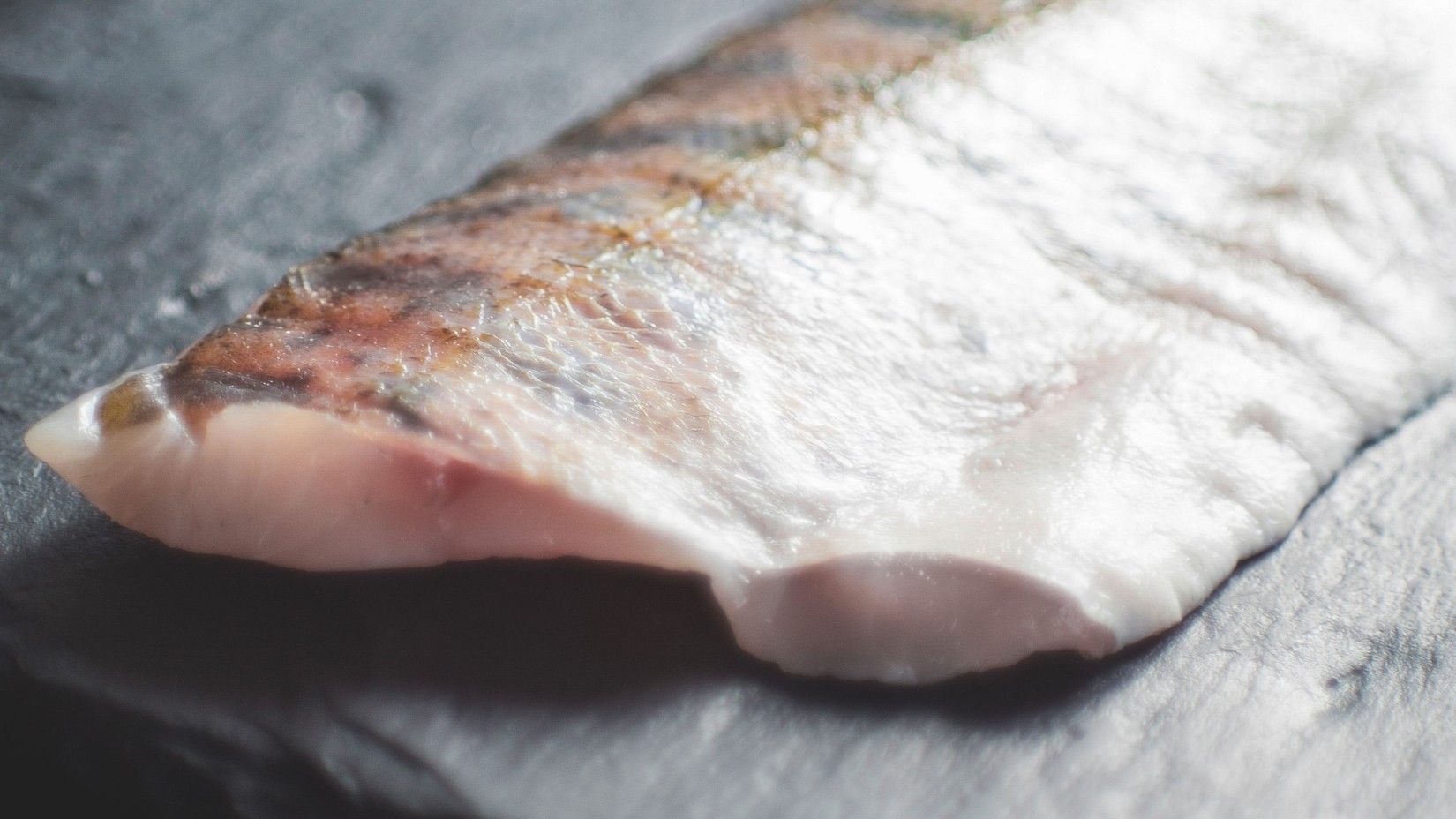
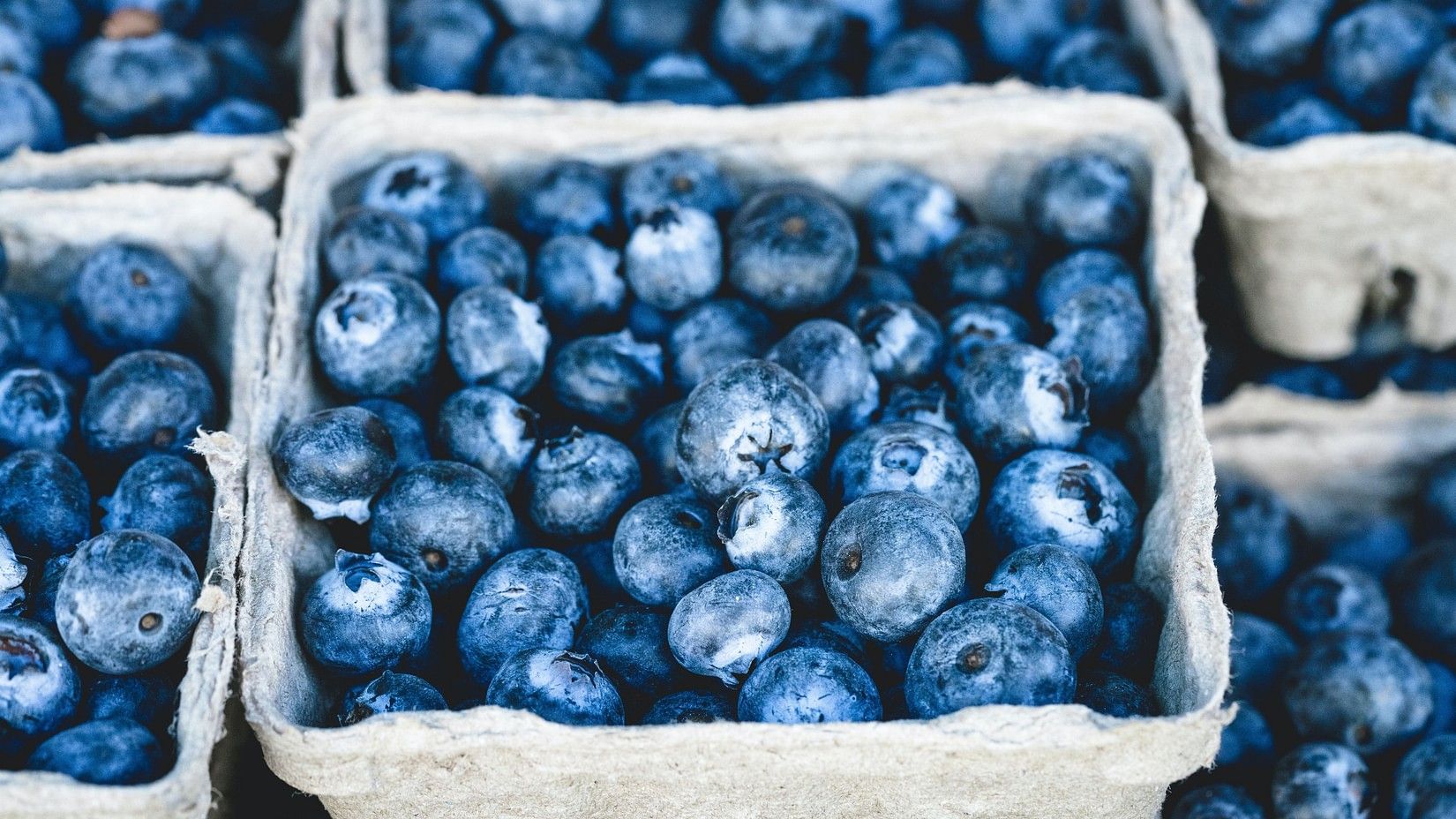
Some of the low-FODMAP foods that you can stock up on if you go on this diet include protein-rich foods like meat, seafood, poultry, dairy and tofu. You can also add brown rice, millets, maize, quinoa and oats to your diet. In addition to this, you can eat a variety of vegetables, nuts and seeds as they fit into this category. Fruits such as bananas, blueberries, pineapples and papayas too can be consumed without much worry as they comfortably fit into the realm of the low-FODMAP foods.
High FODMAP Foods
Some of the foods that you need to avoid include wheat, rye milk, cheese, garlic and onions as these are considered to be high-FODMAP foods. Certain fruits like mangoes, blackberries, litchi also fall into this category and it is best if you avoid them when you are on a low-FODMAP diet.
Get in Touch
Press Coverage



Connect with Us, Start Your Journey
+1 845 237 9100 | Mon - Sun 9:00 AM to 9:00 PM
Book Your Stay