DIET AND DEPRESSION: WHAT TO EAT, WHAT TO AVOID
Medical treatment and counselling can help you stray away from the symptoms of depression. In addition to this following a healthy diet can also help cope with depression.
Feeling low at times is a normal phenomenon, but when you encounter these feelings on a regular basis then you may be dealing with depression. Depression can be expressed differently by different people. For some depression maybe sadness, for others, it might be anger, restlessness, anxiousness, irritability and so on. Men, women and children too can experience the various symptoms of depression.
The onset of depression can be due to many causes. For some it could be passed on from family history, for others, it can be caused by early childhood trauma, medical conditions and drug use. Depression is a serious mental health condition and should be treated as such. If it isn't diagnosed properly and treated it can lead to a variety of chronic conditions like arthritis, cancer, obesity among others.

What to Include
Foods that have a high concentration of nutrients are best for people dealing with depression. Our brain reacts to what we eat and drink and eating nutritious foods is one way to keep your brain functioning at its prime.
Foods Rich in Antioxidants
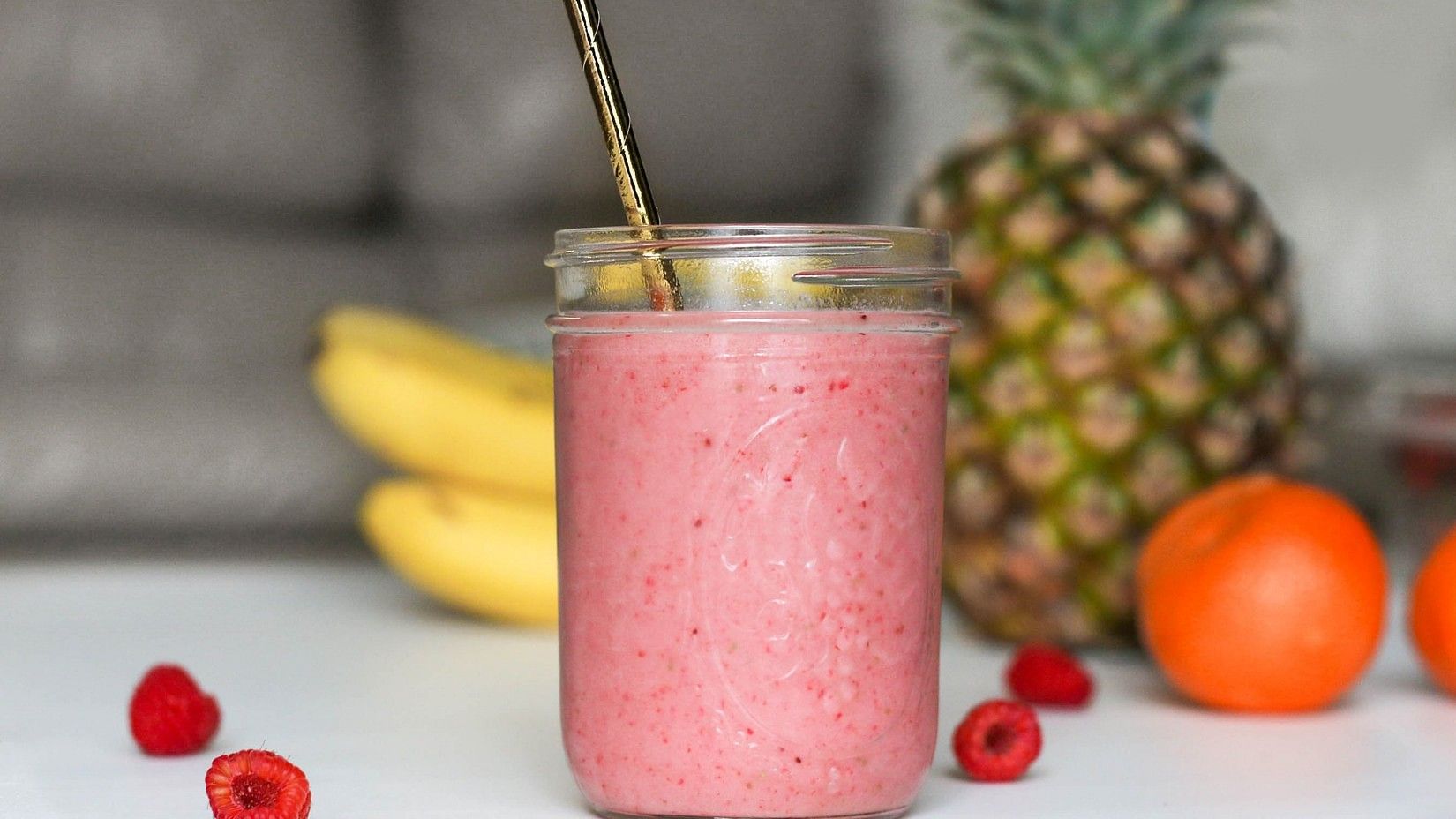
Studies conducted by experts have shown that consuming foods which are rich in antioxidants prevent cell damage in the body and reduce its destructive effects. Some of the foods which are rich in antioxidants include carrots, broccoli, apples, spinach, sweet potato, apricots and more. To add Vitamin C to your diet you can consume items like blueberries, oranges, strawberries, peppers and potatoes. Vitamin E which is again very necessary for the human body can be derived from nuts, vegetable oils, wheat germ and so on.
Protein-Rich Foods
When you consume protein-rich foods it helps boost your energy and alertness to the things around you. Protein can be derived from both vegetarian and non-vegetarian sources. Some of the foods you can eat for this very purpose include beans, peas, lean beef fish, poultry, yoghurt and more.
Foods Loaded with B Vitamins
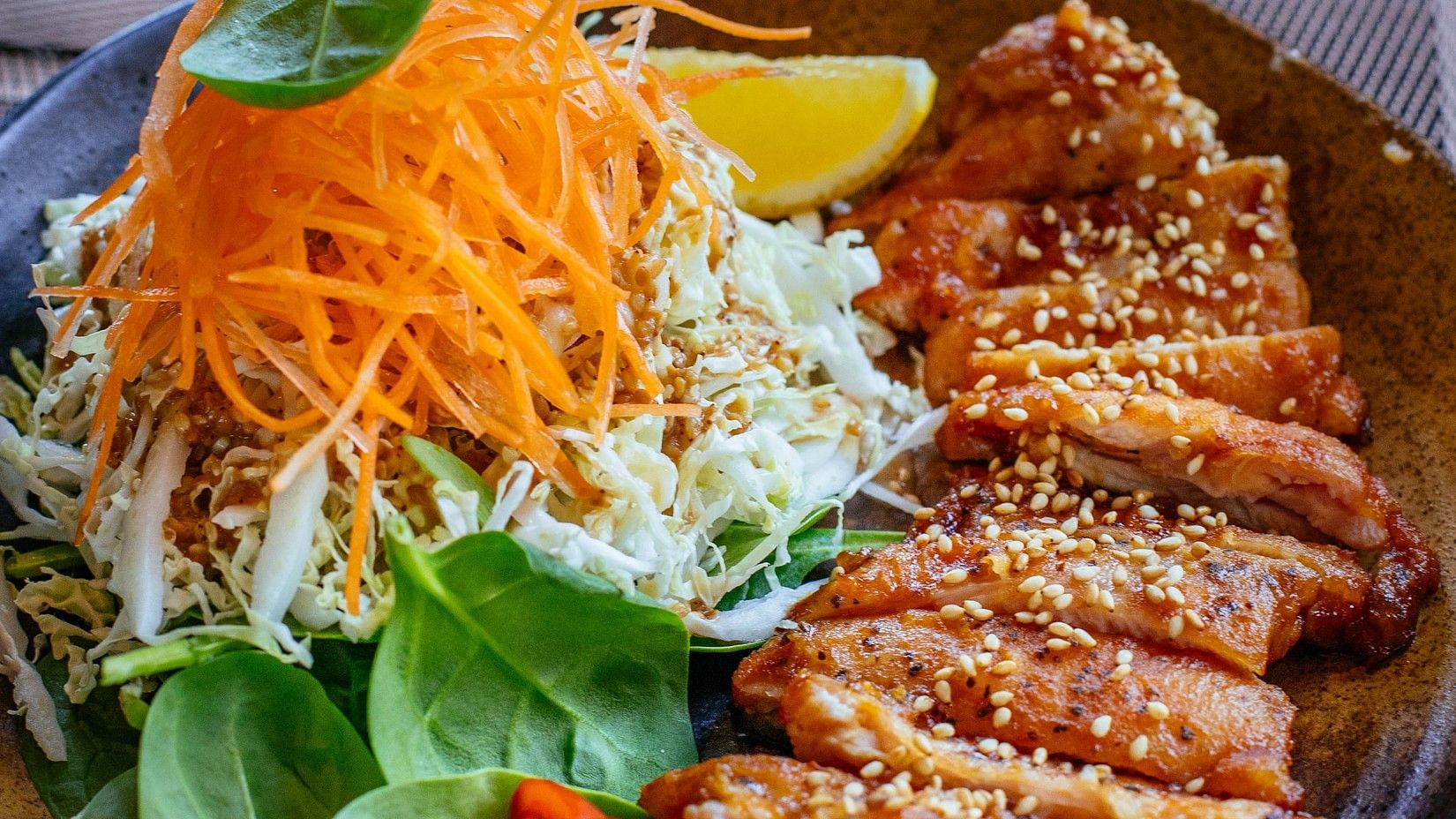
A recent study which was conducted found that the rates of depression in men and women were linked to the inadequacy of folate and vitamin B12 in their bodies. The best way to ingest both these materials is to follow a Mediterranean diet. Folate is found in items like legumes, nuts, fruits and fark green vegetables. Vitamin B12 can be found in fish and low-fat dairy products.
Food Rich in Vitamin D
Researchers believe that Vitamin D can help relieve the symptoms of depression in people. Vitamin D can be obtained by spending a few minutes in the sun every day. Additionally, it can also be obtained from dietary sources like oily fish, fortified dairy products, beef liver and eggs.
Foods Containing Omega-3 Fatty Acids
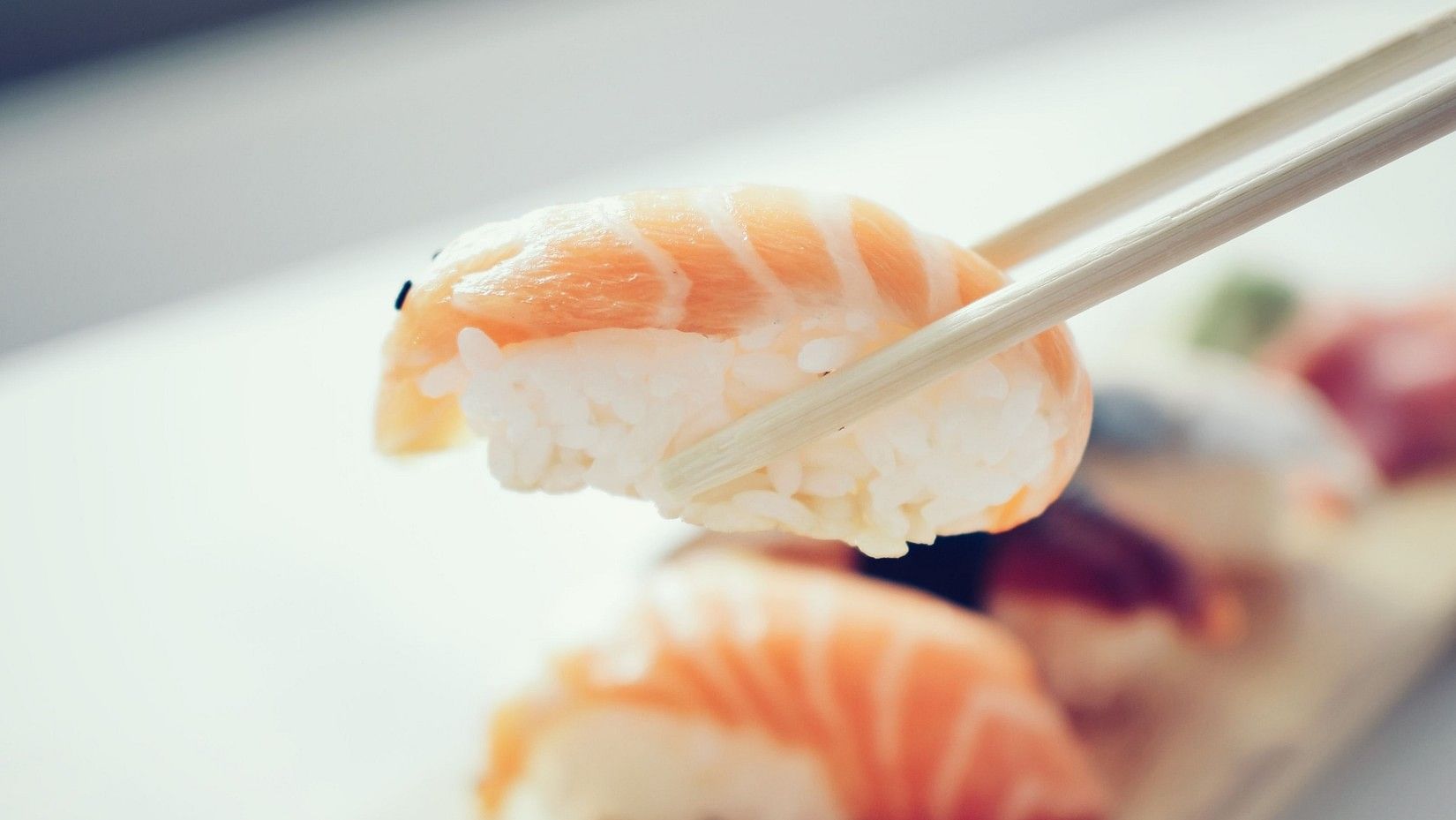
Eating Omega-3 fatty acids helps in increasing brain function and reduces the risk of mood swings and the possibility of brain diseases. To ingest these nutrients you can consume salmon, tuna sardines and mackerel. if you prefer vegan options you can eat flaxseeds, chia seeds, walnuts which also provide the necessary omega-3 fatty acids.
Foods To Avoid
People who consume a poor quality diet are more likely to get depressed than those who eat healthy often. This has been proven by a variety of studies and therefore it is important to manage your eating habits for your mental well-being.
Alcohol
Some people resort to alcohol to cope with their depression. But it can actually worsen the condition. The consumption of alcohol has been linked to increased mental health problems.
Refined Foods
Refined or processed foods do not offer much nutritional value and must be avoided as much as possible. They are often high in calories, sugar and sodium which make you feel heavy and sedentary. Research findings have shown that people who consume lots of fast food tend to be more disappointed than those who consume freshly cooked items.
Caffeine
Caffeine consumption may provide a temporary boost in energy and can even help people with depression. But consuming excess caffeine is known to increase anxiety, stress and depression. In addition to this increased caffeine consumption can hamper your sleep quality as well. Try and avoid sodas and drinks which have a high caffeine content and limit your daily coffee consumption.
Get in Touch
Press Coverage



Connect with Us, Start Your Journey
+1 845 237 9100 | Mon - Sun 9:00 AM to 9:00 PM
Book Your Stay