How Padabhyangam Therapy Heals Your Body and Mind
What Is Padabhyangam Therapy?
Padabhyangam Therapy Procedure and How It Impacts the Body
Hand Techniques
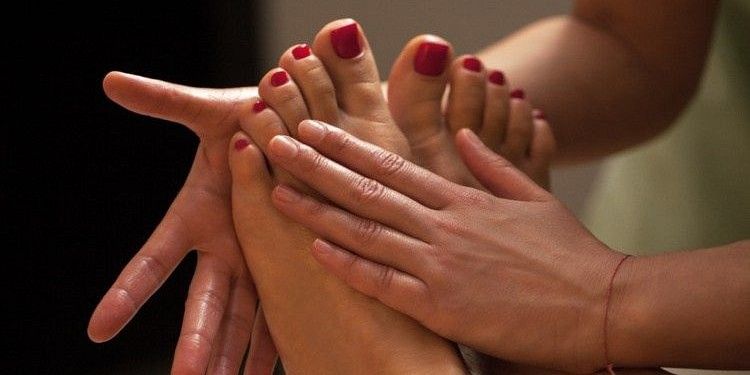
Sesame oil is the preferred oil in Padabhyanga because it is a powerful antioxidant and is easily absorbed in the skin.
Cow ghee, Ksheerabala tailam, and Eranda tailam are also used. Mahamasha tailam, Ksheerabala tailam, Mahanarayana tailam, Kottamchukkadi tailam, Murivenna, Pinda tailam, Tiktaka ghritam, and Guggulutiktaka ghritam are all medicated oils frequently used for the therapy as well.
Applying generous amounts of the medicated or herb oil on the foot and massaging releases toxins. After liberally applying the oil to the soles, heels, ankle joints, and legs, it is then rubbed energetically into the bones of the joint and tendon. In general, this massage can extend up to an hour of stroking and rubbing the feet.
The energy points are focused upon with care to ensure they are activated. They stimulate the flow of energy and direct it in the intended way. The practitioner applies moderate pressure in circular motions to generate a calming and rejuvenating experience.
Kasa Bowl
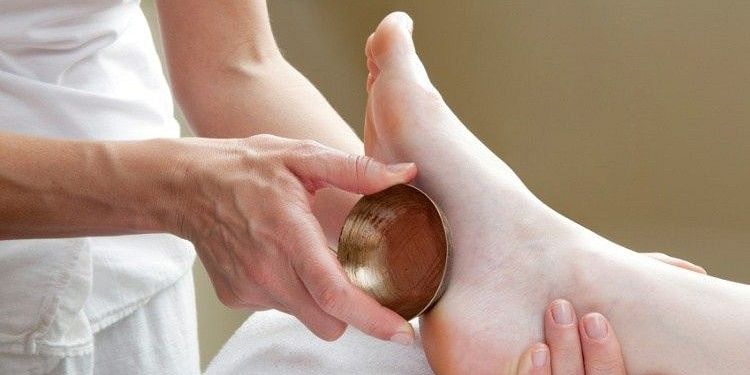
Ayurvedic treatments often include the extensive use of metals. A small bronze bowl called “kasa” is often coated with oil and warmed up to gently massage the foot. Applying the strokes in circular motions on the plantar surface particularly helps in blood circulation. Copper, tin, and bronze are all popular and widely used. They also help maintain body temperature and balance.
The feet are also exposed to the fumes of herbal decoctions, if required.
Marma Therapy
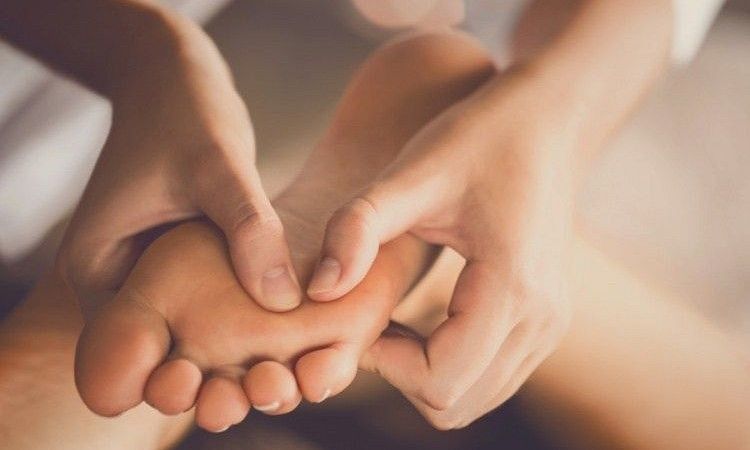
Body Parts Treated in Padabhyangam Therapy
“Pada” in Sanskrit means “foot” and “abhyangam” means “massage using oils”. Together, this means foot massage. This Ayurvedic therapy considers our feet as the focal point of all energies that connect the body to the earth; just the way the roots of a tree connect its branches, trunk, and leaves to the mother earth. Nourishment of the root yields a good fruit, so nourishment through Padabhyangam yields wellness of the body.
This therapy begins with applying lukewarm oil or ghee to the feet, including soles, heels, ankle joints, and legs. Applying the oil liberally allows relief and detoxification. Many organs in the body have nerves that terminate in the feet, so a therapy that focuses on treating these nerves proves quite beneficial for those experiencing general health and mind issues. Padabhyangam helps to strengthen these nerves and restores health to many parts of the body.
Traditionally Used For
There are multiple health benefits of this therapy:
- Padabhyanga relieves stiffness, dryness, and numbness of the leg and foot
- Offers sturdiness and stability to the foot and limbs
- Promotes healthy eyesight and hearing senses
- Reduces sciatica pain through enhanced blood circulation and improved peripheral circulation
- Prevents foot ailments and relieves contraction of muscles, ligaments, and vessels of the feet
- Prevents cracks in the foot and leaves the feel looking healthier and attractive
- Padabhyanga reduces stress, calm the mind, and allows a rejuvenated mind and body
- Relaxes and revitalizes the central nervous system
- Removes fatigue from the lower limbs and improves quality of sleep
- Activates metabolism, cures headaches, and prevents onset of degeneration
- Helps to calm and maintain the “Vata Dosha” which in excess is considered the main cause of major illnesses
- Provides overall immunity to the body
Padabhyangam can help alleviate some symptoms of:
- Hypertension
- Insomnia
- Depression
- Diabetic neuropathy
- Anxiety
- Sprains, cramps, and numbness of the feet and legs
- Roughness and cracking of the feet
Who Is Padabhyangam Therapy Recommended For?
Reference Links
- https://www.shantiyoga.com.au/ayurvedic-treatments/padabhyanga-ayurvedic-foot-massage/
Glossary
- Abhyanga / Abhyangam = warm-oil massage over the whole body
- Padabhyanga / Padabhyangam = foot massage
- Pinda = a bolus, i.e. a tied cloth pouch
- Dosha = one of the three functional types Ayurveda uses to classify imbalance
- Vata = the dosha associated with movement
- Marma = a point on the body treated as vital in Ayurveda
- Ghee / Ghrita = clarified butter
Blog

Lifestyle Management with Yoga and Meditation
Yoga and meditation, both ancient practices are an important aspect of lifestyle management. The two have become very popular in Western culture as people face more and more stress due to the demands of life in general.
Detox and Rejuvenate with Acupuncture
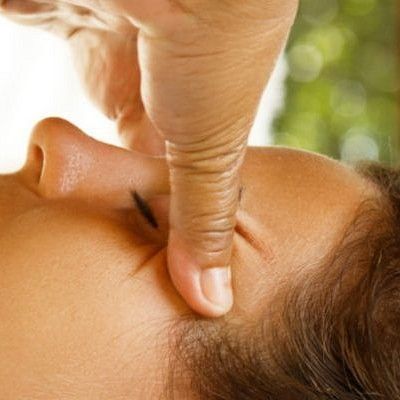
Acupuncture therapy is an ancient Chinese technique that can solve many common aches and pains of the body. It is increasingly becoming popular in the West, to relieve the body, increase overall wellness, and reduce stress.
Ayurveda: An Alternative Medicine
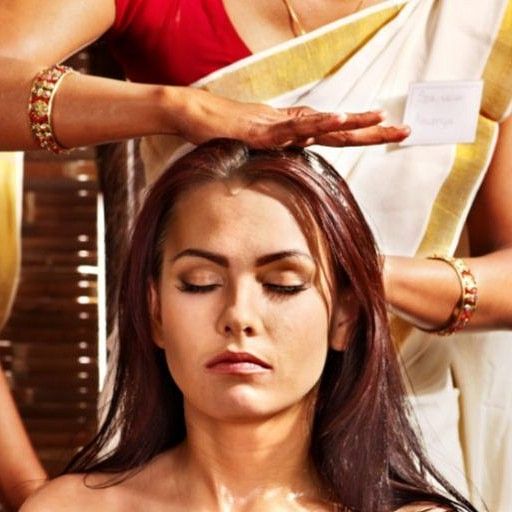
In Ayurveda, it’s believed all your ailments and health problems are connected to the balance of your doshas.
Get in Touch
Press Coverage



Connect with Us, Start Your Journey
+1 845 237 9100 | Mon - Sun 9:00 AM to 9:00 PM
Book Your Stay