UDHWARTHANAM
Herbal Powder Massage Therapy
Last Updated on 17 September, 2026
It is a well-established fact that Ayurveda helps the body achieve its natural state of well-being by balancing the body doshas. Combinations of the five elements–space, air, fire, water and earth–make up three distinct biological forces: vata, pitta and kapha. Every human body has these “doshas” in varying levels and any imbalance throws the entire well-being out of place.
To restore harmony, Ayurveda provides tangible solutions through various therapies and treatments suited for every kind of dosha or body type.

What Is Udhwarthanam?
Ayurveda offers therapies for a wide range of everyday complaints. For people specifically seeking weight loss, treatment of skin or cholesterol problems, Udhwarthanam is an effective therapy.
Udhwarthanam means to promote or elevate a state of well-being. It consists of a dry herbal powder massage working into the deeper tissue. Although Udhwarthanam is commonly known for its dry use, it can be performed with wet powder as well.
The Process of Udhwarthanam
Udhwarthanam is generally a 45-60 minute deep tissue massage.
There are two ways to prepare the medication – mixing the herbal medicated powder with water, milk, or oils to form a paste – or by drying the selected medicated powder completely by using heat.
Dry herbal powders are also known as churnams. These are usually warmed in a mud pot right before the massage begins.
The rhythmic movements are performed in and against the directions of the hair follicles with upward stroking and by rubbing the powder on the body. The friction stimulates the skin and the tissue beneath it, which is what produces the warmth and the exfoliating effect the therapy is known for.
Usually performed by one or two therapists, this massage is followed by a 30 minute rest period so that the body can benefit entirely from the procedure. The patient then receives a steam bath, concluded by a warm water shower.
What a Session Feels Like
Udhwarthanam is not a soothing massage, and it helps to know that before you book one. Where an oil massage is slow and sedating, this is brisk. The powder is coarse, the strokes are firm, and much of the work runs upward against the lie of the hair rather than with it. The sensation is closer to a vigorous body scrub than to anything restful.
The powder is warm when it goes on and the room is kept warm throughout. Skin usually pinks up and can tingle for a while afterward, which is normal. Most people find it invigorating rather than relaxing, and come out of it feeling awake. If your skin is sensitive, say so at the start so the pressure and the powder blend can be adjusted.
Before and After Your Treatment
Before
- Leave one to two hours after eating; the pressure is uncomfortable on a full stomach
- Mention any skin condition, recent waxing or shaving, sunburn, allergy or medication before the session begins
- Skip body lotion that morning, as it interferes with how the powder works on the skin
- Remove jewelry, and tie long hair back
After
- Take the rest period seriously. The half hour of stillness afterward is part of the treatment, not padding
- The steam bath and warm shower that follow lift the remaining powder; avoid scrubbing skin that is already stimulated
- Drink warm water through the rest of the day
- Leave heavy exercise until the following day
- Expect skin to feel dry for a few hours. A light unscented moisturizer afterward is fine
Benefits of Udhwarthanam
- Helps in calming the Kapha Dosha
- Fights body odor
- Reduces cellulite and helps in weight reduction
- Leaves the skin exfoliated and the body feeling lighter
- Rejuvenates the body
- Enhances blood circulation and aids in detoxification
- Helps strengthen muscles and the mobility of joints
- Exfoliates dead skin cells and removes blemishes
- Increases moisture retention on the skin and reduces wrinkles thus improving skin quality
- Helps the mind and body achieve alertness

Who Udhwarthanam Suits
The therapy is traditionally matched to kapha constitutions and to people who describe themselves as sluggish, heavy or congested rather than depleted. It tends to suit guests who want to feel stimulated and want their skin to feel different afterward.
It is a poor match if you are exhausted, underweight, recovering from illness or already sleeping badly. In those situations the warm oil therapies are the better choice, and a practitioner will usually say so.
What Udhwarthanam Is Traditionally Used For
- Skin problems
- Obesity
- Rheumatoid arthritis
- Sciatica
Contraindications
In conditions such as pregnancy, Udhwarthanam is not recommended as the body may not be able to bear pressure or heat. In cases of wounds, cuts, or eczema, it can sometimes be exacerbated by this process. This is why a careful consultation from an Ayurvedic expert is necessary before opting for Udhwarthanam.
A complete solution for weight loss is only achieved by lifestyle changes and diet regulations. Although Udhwarthanam helps in accomplishing the desired results, a balanced diet along with an active routine goes a long way in maintaining good health.
The results from Udhwarthanam are excellent but may vary from person to person. For a holistic solution, one should be assessed by an experienced Ayurvedic practitioner who will choose the right combination of herbs and oils or supplementary therapies alongside Udhwarthanam.
How Many Sessions, and What to Expect
A single session leaves skin noticeably smoother and most people feel lighter and more awake for the rest of the day. Those effects are real and they are also short-lived.
Traditionally the therapy runs as a course across consecutive days, often 7 or 14, usually alongside dietary changes and daily activity rather than on its own. The therapy supports that work rather than replacing it. Judge it on how your skin, energy and mobility feel across a course, rather than on the scale after one appointment.
Booking Udhwarthanam at YO1
Udhwarthanam is on YO1's Ayurveda therapy menu as a 50-minute herbal powder massage, priced at $200. Guests meet a Health Counselor at the start of a stay, who maps out which therapies fit what they have come for and how they should be sequenced across the days. Treatments are delivered by trained practitioners. It is commonly paired with steam therapy, and sits well alongside the weight management program.
Frequently Asked Questions
1. Is Udhwarthanam painful?
It should not be painful, though it is firm and the powder is abrasive. Sensitive skin can feel raw if the pressure is too heavy, so speak up early rather than waiting for the session to end.
2. Will it help me lose weight?
Not on its own. It leaves skin smoother, improves circulation and many people feel lighter afterward, but lasting change comes from diet and daily activity. The therapy is best used as support alongside those, which is how it is traditionally prescribed.
3. What is the difference between Udhwarthanam and an oil massage?
An oil massage such as Abhyangam is slow, lubricating and calming. Udhwarthanam uses dry or semi-dry herbal powder, works upward against the hair, and is stimulating. They are used for different purposes and often for different constitutions.
4. Can I have it if I have sensitive skin or eczema?
Not over active eczema, broken skin or open cuts, where the friction would make things worse. Sensitive but intact skin can often be treated with a gentler powder blend and lighter pressure, which is a conversation to have before booking.
5. How soon can I shower normally afterward?
The treatment already ends with a steam bath and a warm shower. After that, normal washing the next day is fine. Avoid harsh exfoliants for a couple of days, as the skin has already had a thorough workout.
Blog

Annalepam (Medicated Rice Therapy)
Annalepam is a Sanskrit term that is comprised of two words. Anna means food and lepam means application.

Navara Kizhi (Herbal Rice Poultice Therapy)
Navara Kizhi is known as Shashtika Shali Pinda Sweda in Sanskrit. It is a type of massage that induces sweat and provides strength to the muscles while rejuvenating and re-energizing your body.
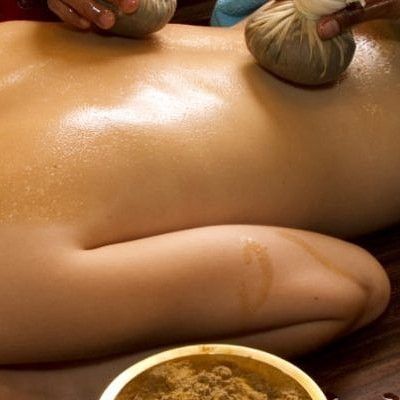
Podikizhi (Herbal Powder Poultice Therapy)
Among the many ancient practices of Ayurveda, one effective form of treatment is the Podikizhi, also known as Choorna Swedam.
Get in Touch
Please take a moment to fill out the form below with your contact information. A YO1 Longevity & Health Resorts representative will reach out to you with additional information.
Press Coverage



Connect with Us, Start Your Journey
Take part in customized health programs that are best suited to meet your individual needs.
+1 845 237 9100 | Mon - Sun 9:00 AM to 9:00 PM
+1 845 237 9100 | Mon - Sun 9:00 AM to 9:00 PM
Book Your Stay