
7 Delicious Spring Season Foods to Boost Your Health
Last Updated on 17 September, 2026
Springtime symbolizes rebirth, and what better way to welcome the season of renewal than by filling up with healthy food? With nature in bloom, it's time to get fresh, seasonal produce into our diets. Ever notice the way your body craves fresher foods when the weather is warmer? It's like a survival instinct to eat foods that make us feel more energized and regenerated.
Let us explore the seven delicious spring season foods to boost health.
Asparagus: Nutrient-Packed Spring Superfood
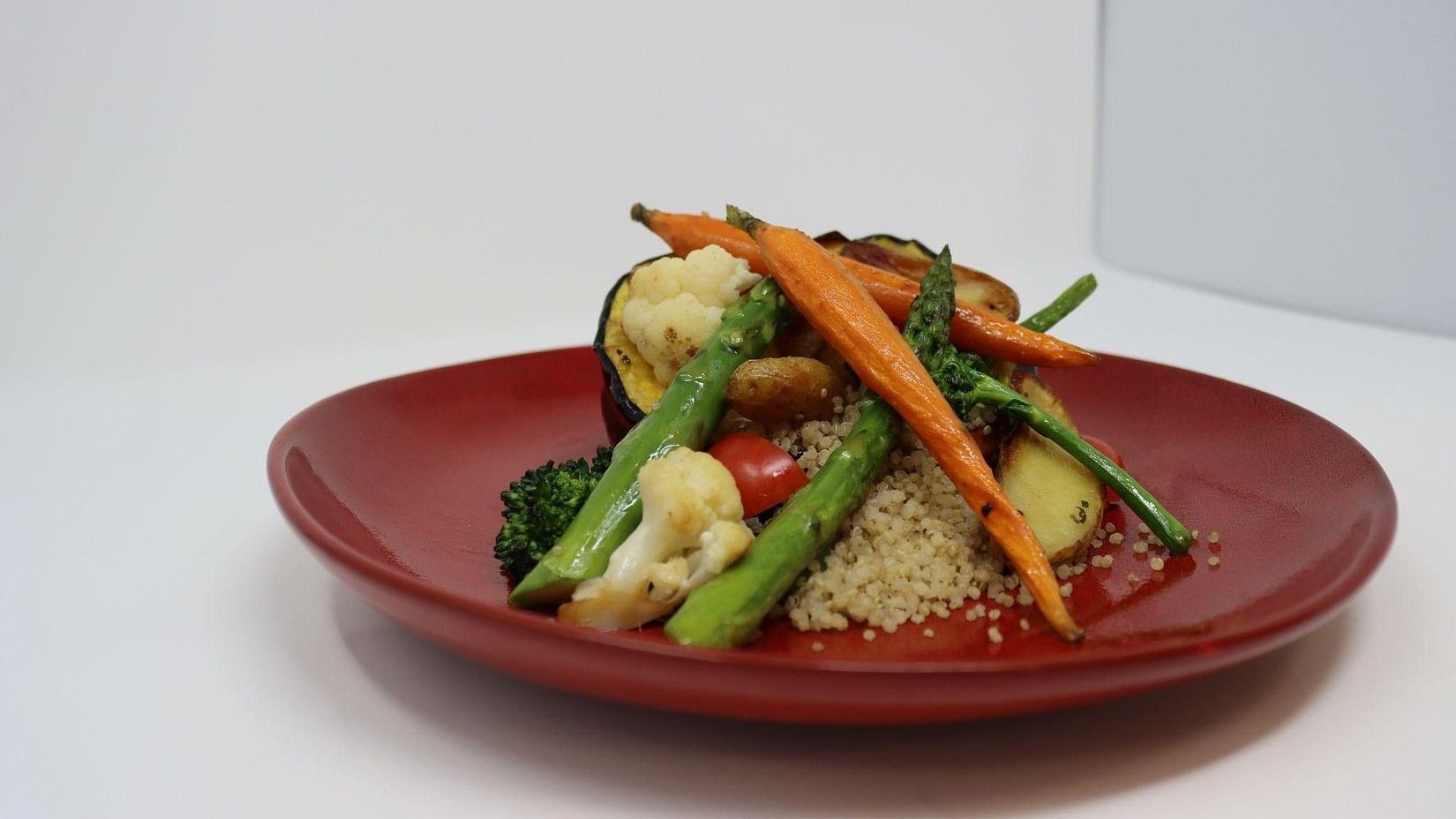
Why is asparagus considered a spring delight? And it isn't just because its green color heralds the season. Asparagus is high in vitamins A, C, E and K, along with fiber and folate. It also has anti-inflammatory and antioxidant properties. It's like nature is detoxing us after the heavier winter meals.
Strawberries: Sweet and Juicy Spring Treasures
Who can resist tender strawberries in the springtime? These ruby red gems are full of vitamin C, manganese and antioxidants. Have you added fresh strawberries to salads or mashed into a smoothie? It is a quick way to enjoy spring and give your body a nutritional boost.
Peas: Versatile Spring Veggie
Peas are small but powerful in nutrition. These vibrant green legumes are high in vitamins, minerals and plant protein. They are a versatile and tasty way to get some extra nutrients in the spring - either in pasta dishes, salads, or simply eaten alone.
Spinach: The Leafy Green Powerhouse
Among leafy greens, spinach is the star of the spring lineup. It is rich in iron, vitamins A and K, and a host of other nutrients. Have you experimented with putting fresh spinach in salads or sandwiches instead of regular lettuce? It is a simple way to bulk up your food and add some green on your plate.
Radishes: Crispy Colorful Spring Root Vegetables
Radishes are small but packed with flavor and nutrition. These crispy root vegetables are full of antioxidants, fiber and vitamin C. Radishes are a springtime favorite - thinly sliced in salads or roasted to reveal their sweetness.
Artichokes: The Springtime Delicacy
Artichokes are edible flowers that grace our plates in spring. These thistle buds are delicious and loaded with fiber and antioxidants. Have you steamed or grilled artichokes and put the tender leaves in a tangy sauce? It's a fun and interactive way to enjoy this springtime delicacy with health benefits.
Apricots: Vitamin and Mineral-Filled Sun-Kissed Fruits
The sunny apricot completes our list of spring season foods. These velvety fruits are a sweet treat and a good source of vitamins A and C, plus minerals such as potassium and magnesium. Did you ever savor a ripe apricot on a warm spring day? Its sweet flavor is one of the first real signs of the season.
What is Actually in Season in New York
Five of these seven are genuine northeastern spring crops. Spinach and asparagus arrive first as the ground warms, followed by radishes and peas, with local strawberries closing out the season as spring turns to summer. In the Catskills all of this runs a little later than it does downstate.
Artichokes and apricots are the exceptions. Neither is grown commercially in New York in any quantity, so both will have traveled from California or further. That does not make them worth avoiding, but it does mean the freshness argument applies less strongly to them than to the asparagus at a farmers' market in May.
The practical version: buy the local five while they are in season and cheap, and treat the other two as ordinary supermarket produce rather than as a seasonal event.
Choosing and Storing Spring Produce
- Asparagus: look for firm, tight tips and stems that are not shriveled at the cut end. Stand the bunch upright in an inch of water in the refrigerator and it will keep several days longer than lying flat in a bag.
- Strawberries: buy them fully red, since they do not ripen further after picking. Do not wash them until you are ready to eat them, as damp berries spoil within a day.
- Peas: pods should squeak slightly and feel full. Their sugars begin converting to starch within hours of picking, so eat them soon or freeze them.
- Spinach: avoid slimy or yellowing leaves. Store loosely in the refrigerator with a dry paper towel in the bag to absorb moisture.
- Radishes: remove the leafy tops before storing, or they draw moisture out of the root and turn it soft.
- Artichokes: should feel heavy for their size, with leaves that squeak when squeezed, and refrigerate them unwashed.
- Apricots: usually sold underripe. Leave them at room temperature until they yield slightly to a gentle press, then refrigerate.
A Few Things Worth Knowing
None of this is a reason to eat less of any of these foods, but a few points come up often enough to be worth saying plainly.
- Spinach is high in vitamin K, which affects how warfarin works. The advice is not to avoid it but to keep your intake steady week to week, and to tell whoever manages your dose if it changes substantially.
- Spinach is also high in oxalates. Anyone who has had calcium oxalate kidney stones is usually advised to moderate it, and pairing it with a calcium source at the same meal reduces how much oxalate is absorbed.
- Asparagus contains purines, so people managing gout may want to keep portions moderate rather than cutting it out.
- The distinctive smell asparagus can give urine is harmless, and whether you notice it at all is largely genetic.
- Strawberries consistently appear near the top of pesticide residue rankings. Washing thoroughly under running water helps, and organic is worth the premium here more than for thick-skinned produce.
Cooking changes the balance too. Lightly cooking spinach reduces its oxalate content, while eating it raw preserves more folate. Alternating between the two is a reasonable answer.
FAQs
1. Are these spring-season foods available at local markets?
Absolutely! Asparagus, radishes, peas, spinach, strawberries, artichokes and apricots are discovered in spring markets. They are usually fresh and at their best taste and nutrition, which is the ideal time to add them to your diet.
2. How can I eat these spring season foods in my everyday meals?
There are so many ways to enjoy these spring favorites! Asparagus could be put into salads or omelets, mixed strawberries in smoothies, throw spinach in pasta dishes and stir-fries, sliced radishes into salads, make artichokes as a side dish and consumed fresh apricots. Get creative with recipes to enjoy the seasonal flavors.
3. What health benefits are associated with these specific spring season foods?
All these foods offer various health benefits. Asparagus is loaded with fiber and antioxidants, strawberries have vitamin C, spinach supports iron intake and bone health, peas offer plant-based protein and fiber, radishes promote skin health, artichokes support digestive health, and apricots have minerals and vitamins. When included in your diet, they may boost your health and wellness.
4. Any special cooking tips or recipes for these spring season foods?
When making these foods, simplicity often wins. Grill asparagus with olive oil, make a strawberry spinach salad, saute peas with herbs and garlic, pickle radishes for a tangy twist, steam artichokes with lemon butter, or eat apricots fresh or in a fruit salad. Try different ways to cook each ingredient to reveal its true flavors.
5. Can these spring season foods help me with weight management and a balanced diet?
Absolutely! Including some fresh, whole foods like these spring favorites may help with weight management and a balanced diet. They're low in calories and packed with nutrition, fiber, minerals, and vitamins. A colorful selection of vegetables and fruits in your meals can enable you to reach your well-being objectives.
Get in Touch
Please take a moment to fill out the form below with your contact information. A YO1 Longevity & Health Resorts representative will reach out to you with additional information.
Press Coverage



Connect with Us, Start Your Journey
Take part in customized health programs that are best suited to meet your individual needs.
+1 845 237 9100 | Mon - Sun 9:00 AM to 9:00 PM
+1 845 237 9100 | Mon - Sun 9:00 AM to 9:00 PM
Book Your Stay