AYURVEDA: AN ALTERNATIVE MEDICINE
What Is Alternative Medicine?
What Is Allopathy?
Allopathic medicine, or allopathy, refers to science-based, modern medicine, such as the use of medications or surgery to treat or suppress symptoms or the ill effects of the disease.
The main difference between Ayurveda and Allopathic medicine is important to understand.
Western allopathic medicine focuses on symptomatology and disease, and primarily uses drugs and/or surgery to rid the body of pathogens or diseased tissue.
Much advancement has been made with allopathic medicine and many lives have been saved in the course of human medical history.
However, there are side-effects to allopathic medicine, mainly due to the toxicity of man-made drugs which can weaken the body.
Ayurveda uses a different approach to heal the body because it does not focus on disease. Rather, it focuses on keeping the life energies in balance.
Note that Ayurveda is not a substitute for Western allopathic medicine, however, it can be used in conjunction with Western medicine to make a person stronger and less likely to be afflicted with disease and/or to rebuild the body after being treated with drugs or surgery.
What Is Ayurveda?
This dosha controls basic body functions, such as breathing, muscle movement, blood flow, heart function, and how healthy your intestines are. Vata determines how your body is functioning at a cellular level as well. If your vata is in balance, you could experience a variety of health problems such as anxiety, asthma, heart problems, and skin problems.
This energy controls your digestion, metabolism, body temperature and nutrition. If it’s out of balance, it could lead to a series of health conditions.
This life force controls muscle and bone growth, body strength and your immune system. Kapa lubricates joints and moisturizes the skin and maintains immunity.
Benefits of Ayurveda
Other Benefits of Ayurveda
A healthy diet and modification in lifestyle and eating habits through Ayurvedic treatments a specific dietary plan according to your dosha type.
Ayurveda aims to achieve health and glowing skin and hair using organic and natural techniques.
With a fast-paced lifestyle that leaves no scope for rejuvenation or relaxation, Ayurveda focuses on reducing stress and anxiety. Regular practice of yoga, meditation, breathing exercises, massages, and herbal treatments allow the body to calm down, detoxify, and rejuvenate.
Lack of proper diet, unhealthy eating routines, insufficient sleep, irregular sleep patterns, and bad digestion can lead to inflammation. The root cause of neurological diseases, cancer, diabetes, cardiovascular problems, pulmonary diseases, arthritis, and many others starts with inflammation.
Panchakarma treatment in Ayurveda is the practice of eliminating bodily toxins through enemas, oil massages, blood-letting, purgation, and other oral administration.
Researchers suggest that Ayurvedic diets and relaxation techniques help reduce plaque buildup. Plaque is a result of the formation of cholesterol and fats in the inner lining of the arteries. This condition is called atherosclerosis and is the root cause of heart attacks and strokes.
Ayurveda is a choice of lifestyle, which when adopted in its entirety, brings a wave of general well-being to your daily life.
Why Ayurveda Is the Best?
Blog
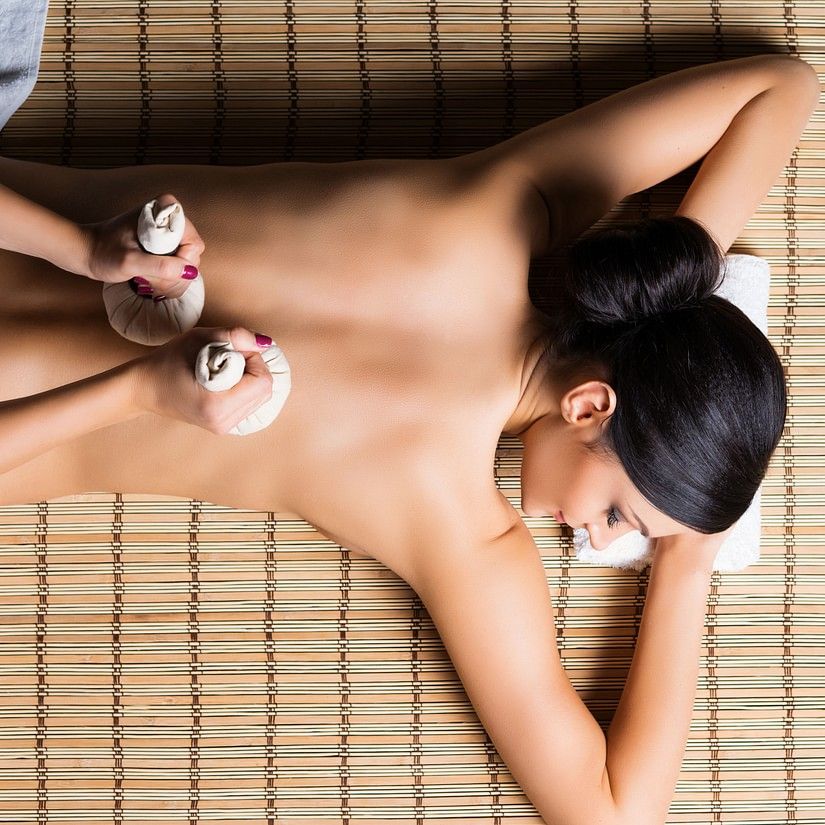
The Benefits of Practicing Ayurveda
Ayurveda is based on the principle that to achieve and maintain health over the course of your life, you must re-balancing emotions, improve diet, practice yoga and “pranayama” (breathing exercises), and make lifestyle adjustments.

What Are the Elements in Ayurveda and Their Significance?
Ayurvedic principles state that the cosmos are compiled of the “Pancha Maha Bhutas” also known as the “Five Great Elements.”
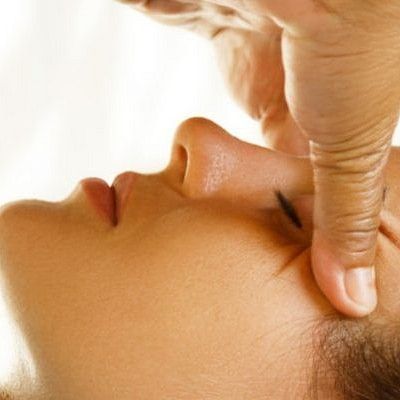
Detox and Rejuvenate with Acupuncture
Acupuncture therapy is an ancient Chinese technique that can solve many common aches and pains of the body. It is increasingly becoming popular in the West, to relieve the body, increase overall wellness, and reduce stress.
Get in Touch
Press Coverage



Connect with Us, Start Your Journey
+1 845 237 9100 | Mon - Sun 9:00 AM to 9:00 PM
Book Your Stay