Easy Meditation Techniques to Calm Your Anxious Mind
Meditation is a centuries-old process to quiet the mind, reduce emotional stress, and enhance health. In a world so fast-paced, it is a lot more critical than ever to have time for yourself and quiet your mind. Thankfully, there are several different meditation methods you can utilize to calm your anxious mind and relax within yourself.
We will explore eight easy meditation methods you can begin using today.
)
Unveiled: Easy Meditation Techniques
Deep Breathing Meditation
The simplest and best meditation is deep breathing. Find a quiet place, sit or lie down, and close your eyes. Inhale gently through the nose and let your abdomen rise as your lungs fill with air. Then exhale slowly through your mouth until your lungs are empty. Breathe and release any racing thoughts or worries.
Mindfulness Meditation
Mindfulness meditation is noticing the present moment with no judgment. Sit quietly and notice your sensations, feelings, and thoughts as they occur. Notice them while not becoming swept up in them or attempting to alter them. Accept them and let them pass, restoring your focus on the current time.
Guided Visualization
Guided visualization is a meditation method which entails envisioning yourself in a quiet environment. Imagine being at a beach, forest or garden in which you feel tranquil and joyful. Build a picture of this place - what do you see, feel, smell, hear and taste there?
Body Scan Meditation
Body scan meditation includes noticing your body from your fingers to the top of your head. See some tension, discomfort, or sensations in every part of the body. Imagine releasing any tension or stress there with each inhalation, allowing your body to relax.
Loving-Kindness Meditation
Loving-kindness meditation, also known as Metta meditation, involves directing compassion toward yourself and others. Begin by directing feelings of warmth and goodwill toward yourself, then extend them to friends, colleagues and even people you find difficult. Repeat phrases such as "May I be happy, may I be safe, may I be healthy, may I live with ease."
Mantra Meditation
Repeat a holy word, sound or phrase to quiet the mind and induce a meditative state. Pick a mantra that rings true peace to you like Om. Sit silently, close your eyes and repeat the mantra quietly or aloud as a chant to silence the mind.
Walking Meditation
Walking meditation is a good alternative if sitting still does not suit you. Find a quiet space or path to walk slowly and mindfully. Notice just how each step feels, whether your feet are touching the floor, and also the way your body moves while you are walking. Walking meditation helps relieve stress and clear the mind while keeping you moving.
Progressive Muscle Relaxation
This meditation method has you tensing and relaxing each muscle group in your body systematically. Begin with your toes and work up to your head, tensing every muscle set for several seconds then release and relax them. This particular practice might release physical tension and bring calm and relaxation to the body and mind.
How to Actually Start
Choosing a technique is the easy part. Keeping it going is where most people come unstuck, and a few things make the difference:
- Start at five minutes. Short and daily beats long and occasional by a wide margin. Twenty minutes on a Sunday builds nothing.
- Anchor it to something you already do, like after brushing your teeth or before your first coffee. A fixed cue survives a busy week better than good intentions.
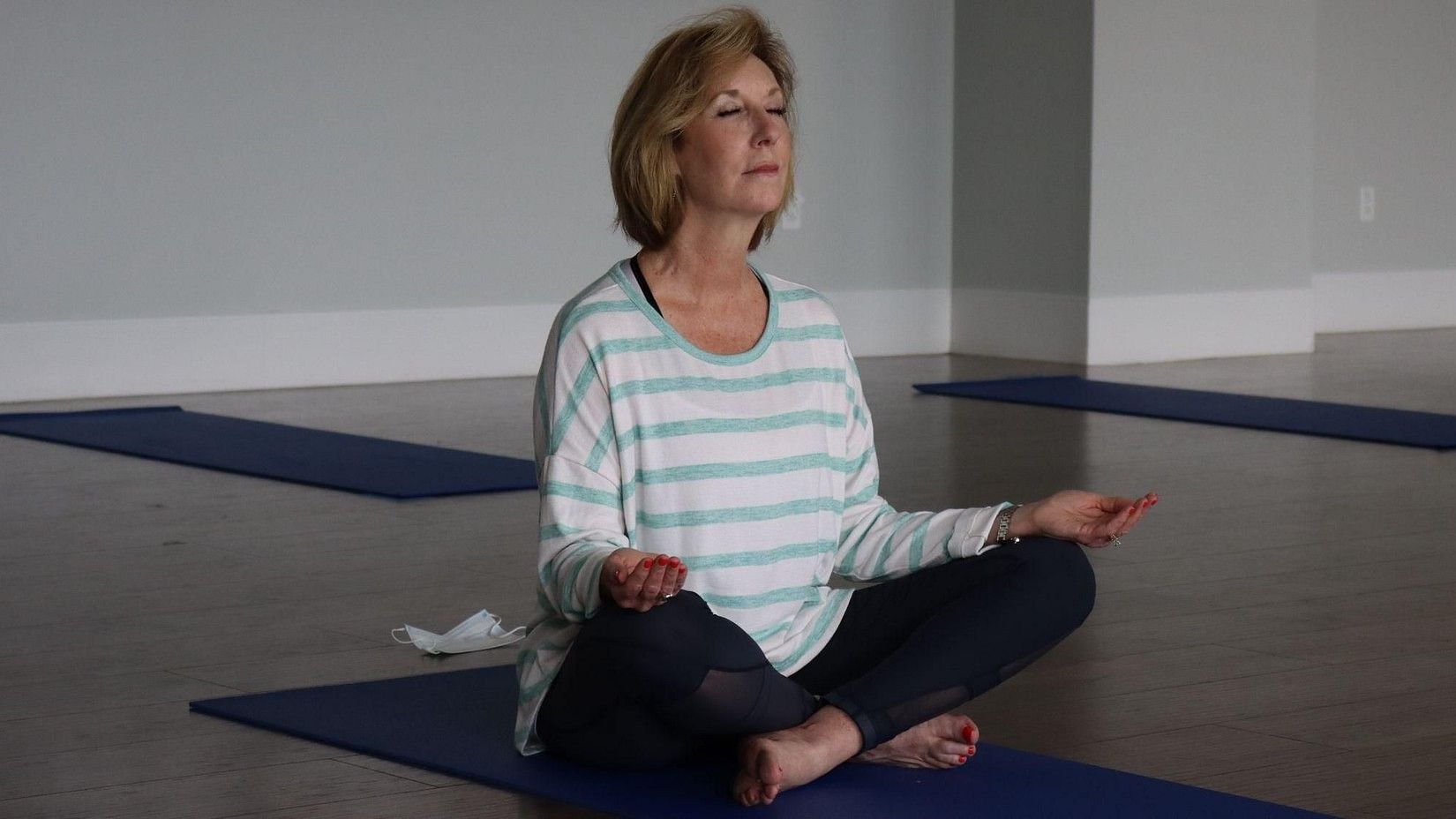
- Sit however you can sit comfortably; A chair with both feet on the floor is perfectly fine. Nothing about the cross-legged posture is required.
- Expect your mind to wander, because it will, constantly. Noticing that it has wandered and coming back is not a failure of the practice - it is the practice.
- Do not judge a session by how calm it felt - Some of the most useful sessions are the restless ones.
Two to three weeks of daily practice is usually enough to notice something shifting. Guided sessions help a great deal at the beginning, which is why the daily yoga and meditation schedule at YO1 tends to be where guests find a practice that survives the journey home.
If Meditation Feels Harder, Not Easier
Sitting quietly with your own thoughts is not restful for everyone, and it is worth saying so rather than leaving people to assume they are doing it wrong. For some, particularly anyone carrying difficult experiences, or in the middle of acute anxiety, stillness and inward attention can make distress louder before it makes it quieter.
If that is your experience, the answer is usually a different door rather than more effort:
- Move instead of sitting. Walking meditation and yoga give the mind something to hold on to
- Keep your eyes open with a soft gaze on a fixed point rather than closing them
- Choose guided sessions over silence, so there is a voice to return to
- Shorten the session rather than pushing through a long one
And if anxiety is persistent, disrupting sleep or work, or getting worse, it deserves proper support from your own doctor or a mental health professional. Meditation sits well alongside that; it is not a substitute for it.
The Benefits of Meditation at YO1
Here are some ways meditation could help you relax at our resort:
1. Stress Reduction
Meditation can relax the mind, relieve stress and relax. By doing meditation each day at YO1 you can learn methods to control stress and boost your physical health.
2. Improved Focus/Concentration
Frequent meditation may enhance focus, cognitive skills, and concentration. Teaching your mind to be present and observant via meditation improves mental clarity and productivity.
3. Emotional Well-Being
Meditation could help you discover inner peace, mindfulness, and emotional resilience. Explore different meditation methods at YO1 to develop tools to control your emotions and face life's challenges.
4. Sleep Better
Some say that meditation helps with sleep quality (less insomnia, better sleep habits and relaxation). Meditation sessions at YO1 might help with restfulness and sleep.
5. Mind-Body Connection
Meditation builds a closer connection between body and mind. You can learn more about your body through meditation methods.
Conclusion
Meditating for a few minutes each day can improve your physical, emotional and mental health. Whether you do deep breathing, mindfulness, guided visualization or maybe another kind of meditation, the answer is finding what is effective for you and integrating it into your self-care regime. By calming your mind and connecting with your inner self you can acquire peace, tenacity and balance in your daily life.
FAQ's
Q. How can one benefit from meditation at YO1 Longevity and Health Resorts?
A. Of course, meditation does help with stress and anxiety. A consistent meditation practice will relax the mind, lower stress hormone levels and also increase internal peace and well-being.
Q. Will I require extra equipment to meditate?
A. No, you don't need any equipment to meditate. You simply need a quiet area, a seat or cushion, and the willingness to be present.
Q. What time is ideal for meditation?
A. When you can incorporate it into your routine and also make it a practice, anytime is the ideal time of day for meditation. A few choose to meditate each early morning for a good head start, others find evening meditation helps them unwind before bed.
Q. How long does it take to notice the benefits of meditation?
A. Benefits of meditation differ for every person, though many report feeling calmer and more centered after a couple of weeks of consistent practice. Be patient and in line with your meditation practice to reap its rewards.
Q. Is it normal for my mind to wander constantly?
A. Entirely normal, and it does not stop happening with experience. What changes is how quickly you notice and how little it bothers you. Each return of attention is the repetition that makes the practice work.
Q. How long should each session be?
A. Five to ten minutes daily is a realistic starting point, and many people stay there permanently with good results. Consistency matters far more than length.
Get in Touch
Please take a moment to fill out the form below with your contact information. A YO1 Longevity & Health Resorts representative will reach out to you with additional information.
Press Coverage



Connect with Us, Start Your Journey
Take part in customized health programs that are best suited to meet your individual needs.
+1 845 237 9100 | Mon - Sun 9:00 AM to 9:00 PM
+1 845 237 9100 | Mon - Sun 9:00 AM to 9:00 PM
Book Your Stay