
Top Natural Remedies for Spring Allergy Relief
Last Updated on 17 September, 2026
As the vernal equinox heralds the arrival of spring, nature awakens in a symphony of colors and scents. However, for many, this season of renewal coincides with the unwelcome advent of spring allergies. For anyone who reacts to pollen, the season that brings everything back to life also brings weeks of sneezing, itching and blocked sinuses.
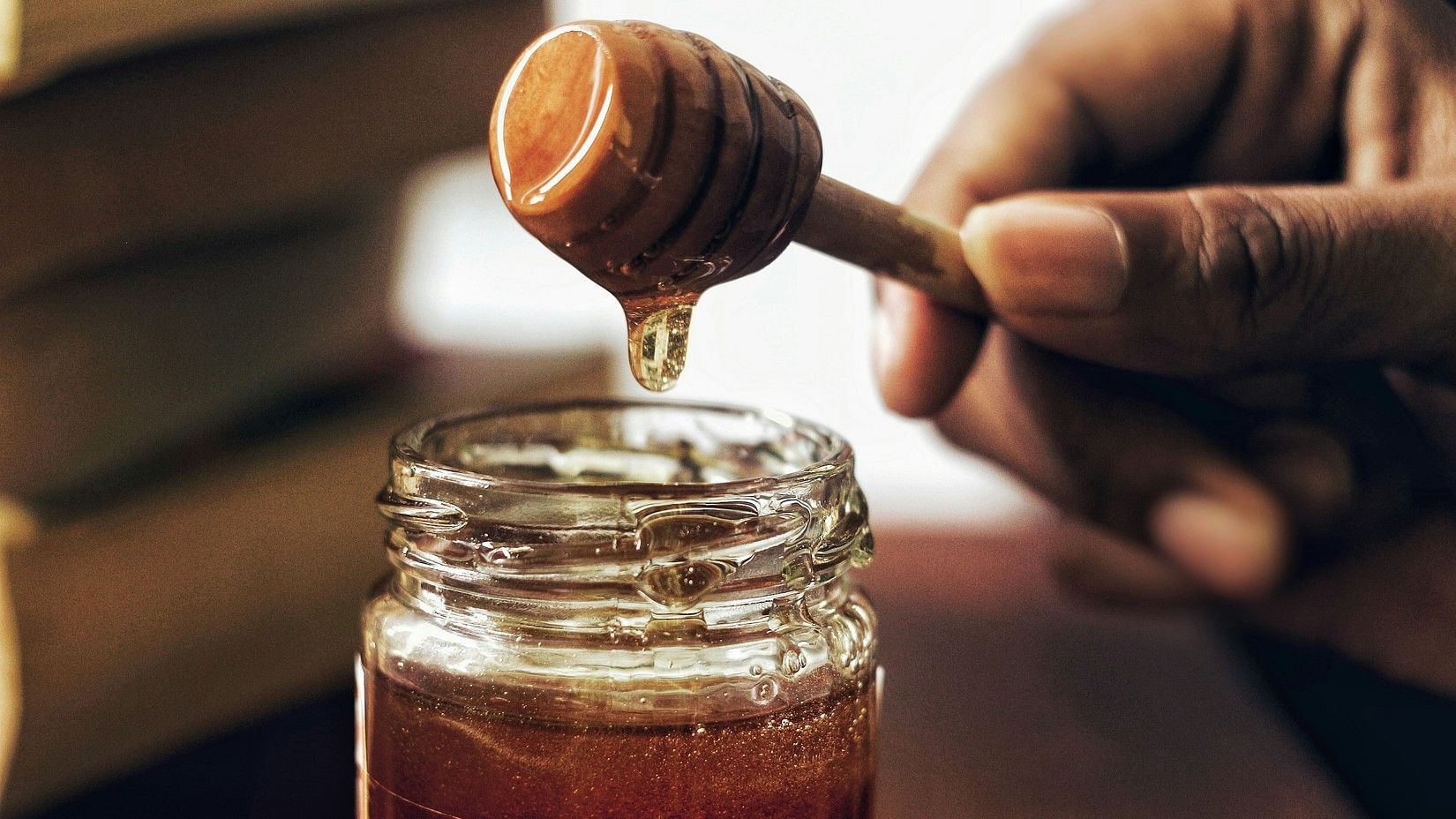
1. Local Honey: Sweet Relief or Myth?
Did you know eating local honey can help in reducing spring allergies? This particular sweet treat is usually promoted as an all-natural remedy, but does it work? The idea behind local honey is that it might work a little like gradual exposure. Bees collect the pollen from the flowers that cause your allergies. Eating honey made from that pollen might help your body adjust to it and reduce allergic reactions. Plus, a little sweetness in your day never hurts!
2. Neti Pots: An Ancient Solution for Modern Problems
Ever tried pouring water through your nose? Neti pots (little teapots) are used to rinse the nasal passages with saline solution. This ancient practice in Ayurvedic medicine may help to remove pollen and other irritants. But is the idea of using a Neti pot making you nervous? You aren't alone. When used correctly, many find it useful for clearing congestion and relieving allergy symptoms. Just follow the instructions to avoid problems.
Use the right water
One instruction matters more than all the others, and it is the one most people have never been told: never rinse with water straight from the tap. The U.S. Food and Drug Administration (FDA) advises using only distilled water, sterile water, or tap water that has been boiled and cooled.
Tap water is treated to be safe to drink, but it can still carry low levels of bacteria and amoebas. Swallowing them causes no harm, because stomach acid deals with them. The nose is different. Organisms that reach the nasal passages can survive there and cause serious infection, and while such cases are rare, they can be fatal.
What safe practice looks like:
- Use distilled or sterile water, sold in most pharmacies and supermarkets
- Or boil tap water for three to five minutes and let it cool until lukewarm. Boiled water keeps in a clean, closed container for up to 24 hours
- Or use a filter specifically labeled as removing infectious organisms—an ordinary water filter jug is not sufficient
- Wash the device after every use and dry the inside, either with a paper towel or by letting it air-dry completely
- Never use water that is hot, and never share a neti pot
3. Quercetin: Nature's Antihistamine
There is an all-natural substance that might work as an antihistamine - did you know? Quercetin, a flavonoid found abundantly in various vegetables and fruits, has the potential to become your springtime ally. This compound has been suggested to potentially lower the release of histamine, the culprit behind allergy symptoms. So, where does this magical compound reside? Apples, onions, berries, and capers are a few examples. But is quercetin a miracle medicine? Although it can't replace medical advice, adding these foods to your diet could ease your spring allergies.

4. Stinging Nettle: A Prickly Solution with Potential
And speaking of nature's remedies - did you ever hear of stinging nettle? That's the same plant that gave you a rash while hiking. It is thought to help with allergies, ironically. Stinging nettle may have anti-inflammatory properties that may ease hay fever symptoms as teas, capsules or tinctures. But does something that irritates the skin help allergies? Surprisingly, some find it effective. Always consult with a healthcare provider prior to taking brand new supplements.
5. Acupuncture: Beyond the Point of Relief
How do you feel about needles? Though it may not sound appealing to everyone, acupuncture has relieved ailments including allergies. This traditional Chinese medicine technique involves putting thin needles into points on the body. But how could it help with spring allergies? Practitioners think it can control immune responses and ease symptoms. Skeptical? You're not alone - many report improvements once they start treatment.
Reducing How Much Pollen Reaches You
Remedies work better when there is less pollen to work against, and exposure is one of the few parts of hay fever you can genuinely control.
- Check the daily pollen count and plan outdoor time around it. Counts are usually highest in the early morning and again in the evening
- Keep windows closed on high-pollen days, at home and in the car
- Shower and change clothes after a long spell outdoors, since pollen travels indoors on hair and fabric
- Dry laundry indoors during the worst weeks rather than on a line
- Wraparound sunglasses keep a surprising amount of pollen out of the eyes
- Rinse pets' coats after they have been out in long grass
When to See a Doctor
Natural remedies suit mild, predictable seasonal symptoms. Book an appointment if:
- Symptoms disrupt your sleep, work or daily activity
- You are wheezing, coughing persistently or short of breath, which can indicate asthma rather than hay fever alone
- Symptoms continue year-round, which points to something other than pollen
- Over-the-counter antihistamines are not helping, or you are needing them every day for months
- You have symptoms alongside asthma, or are pregnant and unsure what is safe to take
Allergy testing can identify exactly what you react to, which makes both avoidance and treatment considerably more precise than guesswork.
Conclusion
Several natural remedies may give some relief from spring allergies. Regardless of whether it is a swig of local honey or maybe a treatment of acupuncture, the key is discovering what works for you. Have you tried these remedies or even have tips of your own? Remember, even if these methods help, see a healthcare professional if the allergy persists or becomes severe.
FAQs
1. How effective is local honey at fighting spring allergies?
The theory that local honey can naturally cure allergies is appealing, but research shows little evidence of its efficacy. The idea is that consuming honey produced by the pollen that triggers your allergies might help build tolerance. Although it is not scientifically proven, many people report fewer allergy symptoms when they eat local honey regularly. It sure is a sweet addition to fighting allergies!
2. Can neti pots cure pollen allergies?
Nasal rinsing does help. Flushing the nose with a saline solution clears out pollen and other irritants. This ancient practice of Ayurvedic medicine has gained modern appreciation for clearing nasal congestion and allergy symptoms. It sounds intimidating at first, but many users report relief when properly used following the instructions. It's a natural, straightforward method. One caution matters more than any other: use only distilled, sterile, or previously boiled and cooled water, never water straight from the tap, as the FDA advises.
3. Is quercetin really good for allergy relief?
Quercetin is a natural substance present in vegetables and fruits which has been cited for its antihistamine actions. Quercetin is believed to prevent the release of histamines, chemical substances within the body responsible for allergic symptoms. Apples, onions, berries and capers are foods high in quercetin. Quercetin won't replace medical treatments, but adding these foods to your diet might bring some relief during allergy season.
4. Can stinging nettle, an irritant plant, relieve allergy symptoms?
It kind of seems ironic, huh? Stinging nettle causes an itchy rash on contact and is a natural allergy remedy. It contains anti-inflammatory properties that may ease hay fever along with other seasonal allergies. Stinging nettle may be a natural relief in teas, capsules, or tinctures. But every new supplement should be checked out by a healthcare provider - especially one as unlikely as stinging nettle.
5. How does acupuncture relieve allergy symptoms?
Acupuncture is a needle-based practice in traditional Chinese medicine that may be intimidating. But it's thought to alleviate allergy symptoms by regulating the immune response. By inserting thin needles into points on the body, acupuncture practitioners believe they balance the body's energy and may lessen the severity of allergic reactions. Some skeptics have become believers after acupuncture treatments relieved their symptoms.
Get in Touch
Please take a moment to fill out the form below with your contact information. A YO1 Longevity & Health Resorts representative will reach out to you with additional information.
Press Coverage



Connect with Us, Start Your Journey
Take part in customized health programs that are best suited to meet your individual needs.
+1 845 237 9100 | Mon - Sun 9:00 AM to 9:00 PM
+1 845 237 9100 | Mon - Sun 9:00 AM to 9:00 PM
Book Your Stay