
NAVARA KIZHI
Shashtika Shali Pinda Sweda (Herbal Rice Poultice Therapy)
Navara Kizhi Preparation
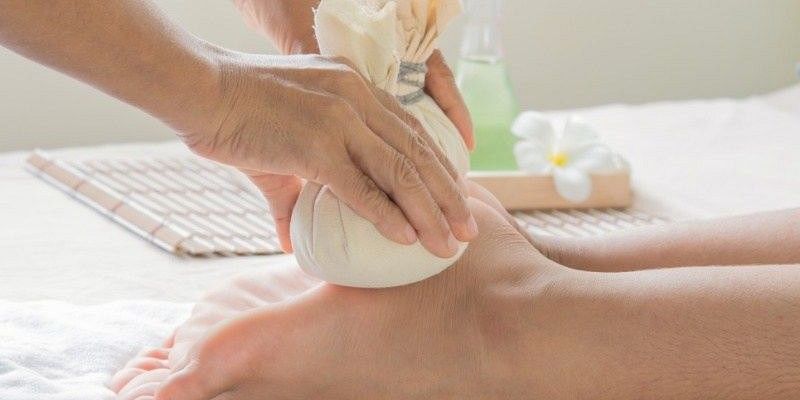
Navara Kizhi Procedure
Purva Karma (Pre-Treatment)
Pradhan Karma (Procedure)
Paschat Karma (Post-Treatment)
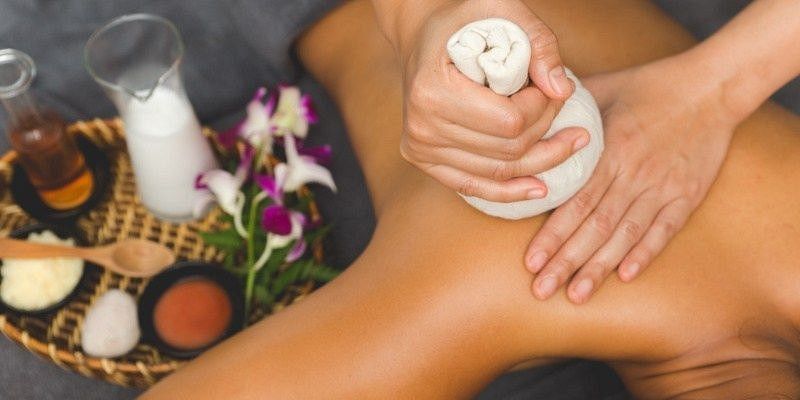
Precautions
- Poultices should not be too hot.
- This procedure should be performed only under the supervision of an expert therapist.
- If the patient develops excessive sweating, treatment should be stopped to avoid dehydration.
Contraindications
- This treatment is not recommended for patients with diabetes unless the benefits outweigh the risks.
- High blood pressure – treatment can be done for local problems in joints and soft tissues but only under the supervision of a trained expert.
- Severe varicosity of veins
- Deep vein thrombosis
- Fractures
- Fever
- Severe inflammation
Benefits of Navara Kizhi
- Helps in preventing the degeneration of joint tissues and wasting of muscles
- Provides lightness in the joints, soft tissues, and muscles by inducing sweat
- Corrects morbidity associated with Vata and Pitta doshas
- Enhances flexibility and movement of joints
- Enhances skin color and complexion by improving blood circulation in the skin
Limitations of Navara Kizhi
The Shashtika Shali Pinda Sweda is one of the best Ayurvedic treatments because it provides relief from sciatica and other conditions that cause pain and stiffness in joints and muscles. It relieves stress, provides good immunity, and is also highly nutritious.
While it is beneficial for these ailments, it should be noted that it is not the sole remedy. In some cases, disease-modifying drugs and/or compounds must be taken for better relief. Some oral medications which enhance strength and stability should also be included.
Advisory Note
Related Links
- https://easyayurveda.com/2016/02/04/navarakizhi-shashtika-shali-pinda-sweda-procedure-benefits/
- https://www.ayurtimes.com/navarakizhi-shashtika-shali-pinda-sweda/
Glossary
- Abhyanga / Abhyangam = warm-oil massage over the whole body
- Kizhi = a cloth bolus (pouch) pressed on the body while hot
- Navara / Shashtika Shali = rice harvested in sixty days
- Pinda = a bolus, i.e. a tied cloth pouch
- Payasa = a milk-and-rice pudding
- Bala = Sida cordifolia, a herb whose Sanskrit name means strength
- Sweda / Swedana = sweating brought on deliberately as part of the treatment
- Dosha = one of the three functional types Ayurveda uses to classify imbalance
- Vata = the dosha associated with movement
- Pitta = the dosha associated with heat and digestion
- Purva Karma = the preparation phase before the main procedure
- Sudation = sweating (jargon - replace it with the plain word)
Blog
Annalepam (Medicated Rice Therapy)
Annalepam therapy is an Ayurvedic treatment where rice is directly applied to an individual’s body. This treatment is used for vata and pitta disorders, rakta (blood) problems such as contamination, and inflammatory and degenerative diseases.
Podikizhi (Herbal Powder Poultice Therapy)
Among the many ancient practices of Ayurveda, one effective form of treatment is the Podikizhi, also known as Choorna Swedam. This sweat-inducing Ayurveda technique involves fomentation, sudation, and steaming treatments.

Live the Tranquil Life
YO1 Longevity & Health Resorts provides unspoilt nature that calms one down. The pristine lake, lush woodlands, the long nature trails and immense positivity relaxes mind, body and the soul.
Get in Touch
Press Coverage



Connect with Us, Start Your Journey
+1 845 237 9100 | Mon - Sun 9:00 AM to 9:00 PM
Book Your Stay