PIZHICHIL

Herbal Oil Bath Therapy

Last Updated on 17 September, 2026

Ayurveda is a timeless preventive and remedial therapy to help the human body achieve and maintain optimum well-being. The philosophy of Ayurveda revolves around balancing the body doshas to prevent ailments and diseases. There are a number of Ayurvedic treatments and therapies to help heal and keep these imbalances at bay. One of these effective treatments renowned for its reliability in neurological disorders is “Pizhichil”.
A woman lying beside a bowl of liquid while a therapist massages her head.

What Is Pizhichil Therapy?

Pizhichil is popularly known as “Thailadhara” and is one of the traditional favorites among Ayurvedic therapies. In ancient times, this therapy was considered a royal treatment and referred to as “the king of Ayurvedic therapies”.
Pizhichil means “to squeeze”. By combining oil and heat therapy, Pizhichil is used to enhance blood circulation and simultaneously release toxins from the body. It is one of the major parts of Panchakarma in Ayurveda.
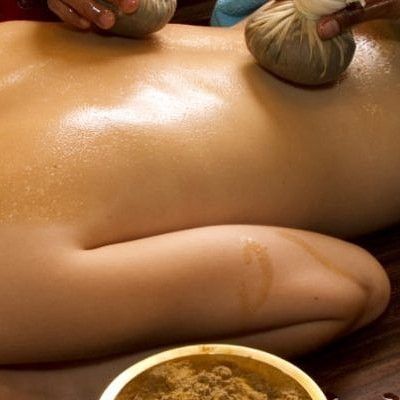
The medicated oil is squeezed out from the cloth onto the guest’s body, followed by a rejuvenating massage.

What Pizhichil is Traditionally Used For

In classical Ayurvedic practice, Pizhichil is associated with vata imbalance, the pattern linked to dryness, stiffness and pain that moves around the body. Practitioners have traditionally recommended it for:
  • Joint stiffness and aching muscles, especially when cold weather makes them worse
  • Long-standing back and shoulder tension
  • Recovery after heavy physical work or training
  • Restlessness, poor sleep and the physical residue of a stressful few months
  • Dry skin and the depletion that follows illness or overwork
Pizhichil rests on centuries of clinical observation rather than modern trial data, and the published research on it is limited. What can be said plainly is that warmth, oil and sustained rhythmic touch are deeply relaxing, and most people leave looser and calmer than they arrived.

The Procedure

Pizhichil is a beautiful unification of two classic Ayurvedic treatments called “Snehana” and “Swedana.” Snehana is an oil massage and Swedana induces fomentation and sweat.
Pizhichil is a body massage which lasts for 60-90 minutes and involves relaxing strokes primarily aimed at reducing anxiety and stress.
Before the treatment begins, the herbal oil is heated to a relaxing temperature. The entire treatment involves pouring continuous streams of lukewarm herbal oils (or ghee) over the body for a fixed duration. Simultaneously, the body is massaged to induce sweat and release toxins.
Some of the medicated oils used in Pizhichil include dhanwantharam tailam, bala tailam, prabhanjanam tailam and sahacharadi tailam. Almost three to four liters of the herbal oil is applied to the body in a rhythmic manner. The treatment is performed under the experienced hands of two to four Ayurvedic practitioners.
After the Pizhichil massage, the guest proceeds towards a warm water bath.
A person's hand dipping into the water in a bathtub at YO1 Longevity & Health Resorts

What a Session Actually Feels Like

You undress to whatever level you are comfortable with, and disposable underwear is normally provided. The treatment takes place on a droni, a wooden table with raised edges that catches the oil as it runs off. The room is kept warm and the lighting low.
The oil is held a little above body temperature and topped up throughout, so the warmth stays constant rather than fading. With more than one therapist working, the strokes are matched on both sides of the body, which is much of why the treatment is so settling. There is very little conversation, and most guests drift somewhere between awake and asleep.
Afterward your skin will be thoroughly saturated, and your hair too if the head was included. The usual feeling is a pleasant heaviness, similar to the hour after a long swim.

Before and After Your Treatment

Before
  • Eat something light about two hours beforehand, as a full stomach is uncomfortable, but an empty one is worse.
  • Skip alcohol the night before, and caffeine that morning.
  • Tell the practitioner about any medication, recent injury, skin condition or pregnancy. Most Ayurvedic oils are sesame-based, so mention a sesame allergy first.
  • Leave jewelry and contact lenses in your room.
After
  • Shower in warm water, never cold, and give the oil a few minutes to absorb first.
  • Keep the rest of the day light; strenuous exercise straight afterward undoes much of the benefit.
  • Eat simply and warm, and drink warm water rather than iced.
  • Wear clothes you do not mind marking, and expect your hair to hold the oil until the next wash.

Benefits of Pizhichil Treatment

Pizhichil is used traditionally to ease pain, stiffness and fatigue. Its reported benefits include:

  • Detoxification of the body
  • Improved skin condition and tone
  • Relief from the dryness and tiredness that show in the skin
  • Relieving body pain and increasing rejuvenation
  • Improved overall relaxation, circulation and musculoskeletal comfort.

How Many Sessions Are Usually Recommended

A single Pizhichil is genuinely restorative, but the therapy was not designed to be taken alone. Traditionally it runs as a course over seven, fourteen or twenty-one days, often within a wider Panchakarma program, with the oils adjusted as it progresses. If you are considering it for a persistent complaint rather than for rest, plan for a series of sessions across a stay.

Who Should Not Have Pizhichil

Oil therapies are gentle, but they are not right for everyone or for every week. Postpone or avoid the treatment if any of the following apply:
  • You have a fever, an active infection or acute indigestion
  • There is a recent injury, open wound, rash or skin infection where the oil would be applied
  • You are pregnant, unless the therapy has been specifically adapted and cleared for you
  • You have deep vein thrombosis, pronounced varicose veins, or you take blood-thinning medication
  • You have uncontrolled high blood pressure or a heart condition your doctor is currently managing
  • You are having cancer treatment, in which case your oncology team should be asked first
None of this rules the therapy out permanently; it usually means waiting, or having the treatment modified. Raise anything on this list with your own doctor before you book.

Although Ayurvedic treatments have many answers to ailments and diseases through varied therapies, it is advisable to consult an experienced Ayurvedic practitioner, and your own doctor, before undertaking any treatment.

Related Ayurvedic Therapies at YO1

If the appeal of Pizhichil is warm oil and unhurried touch, several therapies on YO1's Ayurveda menu work along the same lines:
  • Abhyangam, a 50-minute full-body medicated oil massage - the closest hands-on equivalent.
  • Podikizhi, 50 minutes, in which warm herbal powder boluses are worked over stiff or aching areas.
  • Shirodhara, 50 minutes, a steady stream of warm oil poured across the forehead, usually chosen for sleep and mental restlessness.
  • Udhwarthanam, a 50-minute herbal powder massage, traditionally used to invigorate rather than sedate.
Which one suits you is worth discussing at the start of a stay. Guests at YO1 meet a Health Counselor who maps out a program around what they have come for, and the therapies are delivered by trained practitioners.

Reference Links

  • https://www.practo.com/healthfeed/pizhichil-rejuvenating-ayurvedic-massage-for-body-mind-25520/post
  • http://www.ayurvedasopanam.com/thaila-dhara.html

Frequently Asked Questions

1. How long does a Pizhichil session take?

The therapy itself runs 60 to 90 minutes. Allow about two hours in total once you have settled in, changed and showered.

2. Is Pizhichil the same as Abhyangam?

They are different treatments. Abhyangam is a hands-on massage using medicated oil, while Pizhichil adds a continuous poured stream of warm oil, uses several liters of it, and usually involves more than one therapist working in time with each other.

3. Will I smell of oil afterward?

A little, yes, as sesame-based oils have a distinct scent. A warm shower removes most of it from the skin, though hair tends to hold it until the next wash.

4. Do I need to fast beforehand?

No, a light meal about two hours before is ideal. What you want to avoid is a heavy meal immediately before lying face down for an hour.

5. How soon would I notice a difference?

Deep relaxation and better sleep the same night are the usual reports. For stiffness or long-standing aches, traditional practice expects a course rather than one session.

Blog

Podikizhi (Herbal Powder Poultice Therapy)


Podikizhi uses medicated powders for the poultice and is the only form of Kizhi Ayurvedic treatment which can be applied with or without the use of oil.
 

Navara Kizhi (Herbal Rice Poultice Therapy)


Navara Kizhi is known as Shashtika Shali Pinda Sweda in Sanskrit where Shashtika means 60, Shali means rice, Pinda means poultice, and Sweda means sweat.
 

Live the Tranquil Life


YO1 Longevity & Health Resorts provides unspoilt nature that calms one down. The pristine lake, lush woodlands, the long nature trails and immense positivity relaxes mind, body and the soul.

Get in Touch

Please take a moment to fill out the form below with your contact information. A YO1 Longevity & Health Resorts representative will reach out to you with additional information.

Press Coverage

Connect with Us, Start Your Journey

Take part in customized health programs that are best suited to meet your individual needs.

+1 845 237 9100 | Mon - Sun 9:00 AM to 9:00 PM

Book Your Stay