
How Yoga Can Improve Physical and Mental Health
Last Updated on 17 September, 2026
Yoga has a reputation as a stretching class, which undersells it considerably. It works on the body and the mind at the same time, and the two effects reinforce each other - which is why people who come for flexibility often stay for something else entirely.
The Harmony of Body and Mind: Why Yoga?
Why is yoga considered harmonious for body and mind? Imagine your mind as a city. There's traffic, noise, and constant activity. Yoga is the city's best traffic controller. It clears the chaos, organizes what is left, and turns down the noise so thoughts and energy can flow freely. Physically, yoga strengthens, tones, and stretches the body, and mentally it promotes relaxation and mindfulness. By paying attention to movement and breath, yoga provides harmony and balance to both mind and body.
Flexibility: Bending but Not Breaking
Ever watch a yogi twist into seemingly impossible poses and wonder how your body could do that? Flexibility is more than reaching your toes or twisting into a pretzel; it's also an important part of yoga. It's about making room where there was none in your body. It's a metaphor for life - it shows us that with persistence and consistent effort, we can build resilience and capabilities. The beauty of yoga is its adaptability. It meets you where you are and pushes you to go beyond - physically and metaphorically.
Strength: Building from the Inside Out
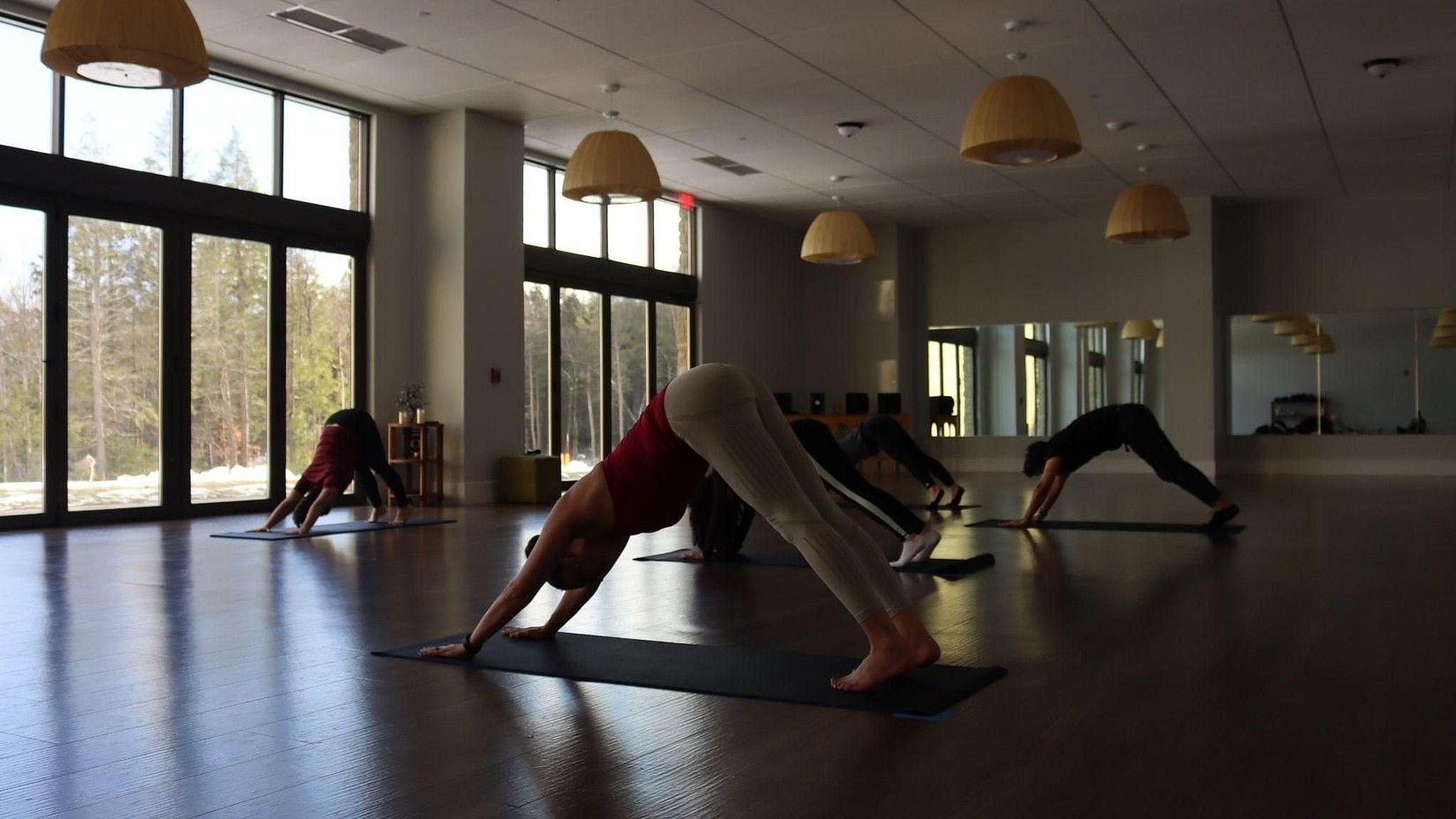
But isn't yoga about stretching and relaxing? Though yoga is good for flexibility and releasing anxiety, it is also excellent for building strength. From arm balances to holding poses like Chaturanga and Warrior, yoga forces your body to take on its own weight in new ways - gaining muscular strength and endurance. This strength is more than physical, it is emotional and mental too. Holding a difficult pose a little longer than you thought you could teaches persistence and mental toughness.
Stress Relief: Exhaling Worries Away
Ever feel as though you have the world on your shoulders? Introducing yoga into your life could be like putting down a heavy bag you didn't realize you had. Yoga involves slow, deliberate breathing, which reduces stress. In addition, focusing on the present moment clears clutter in the mind and reduces anxiety and stress. It's releasing what doesn't serve you on the mat and in life.
Connection: To Self and to Others
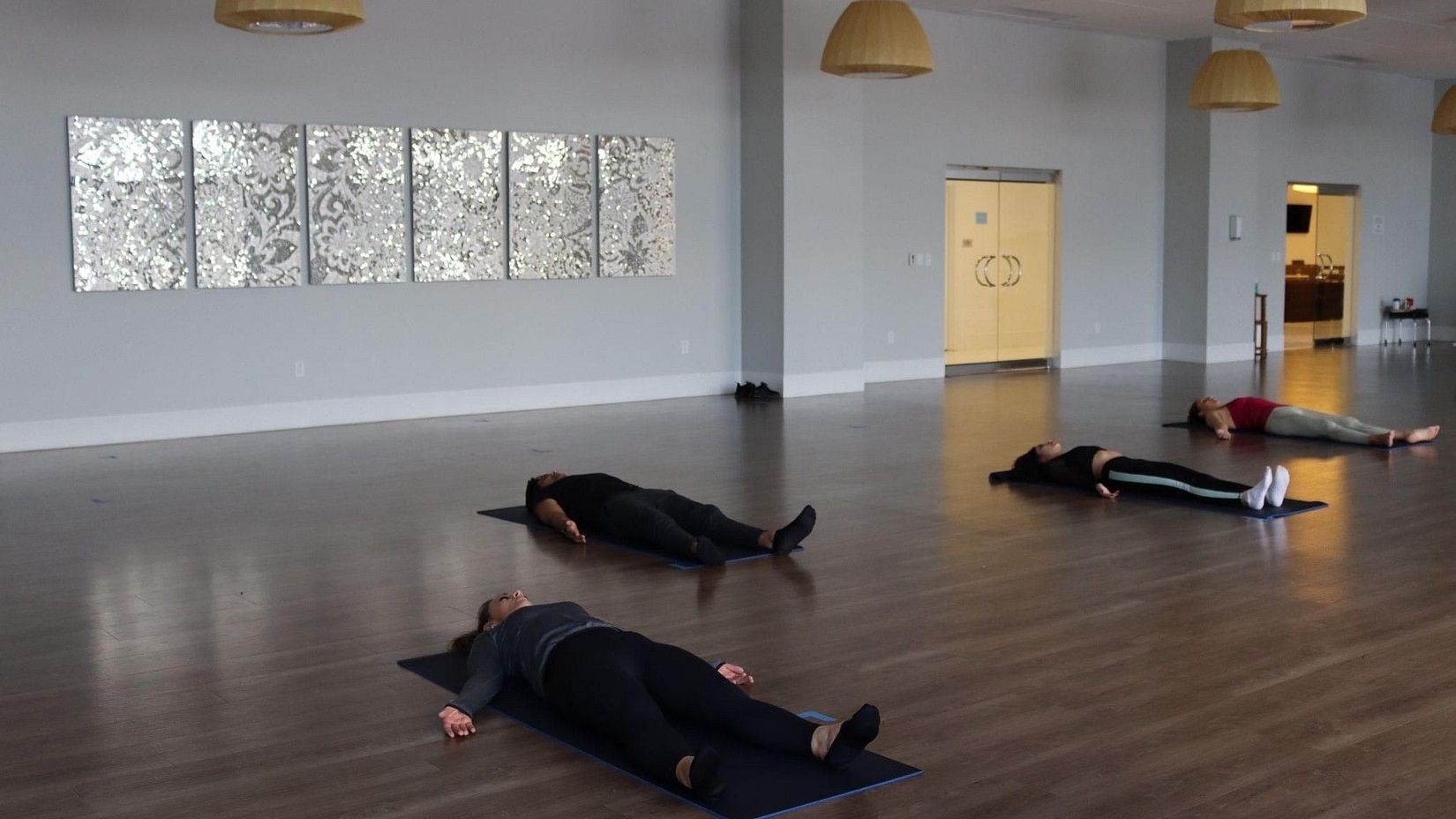
How frequently do we pause to connect with ourselves in the middle of our hectic lives? Yoga provides a rare opportunity for self-reflection and introspection. Through practice, we become more attentive to our body and our mind's chatter. This increased self-awareness may extend into relationships. Yoga is a solitary practice but there's also a sense of community whether you're joining a class or following along with an online session from your living room.

Where to Start
Yoga is not one thing, and picking the wrong entry point is the most common reason people try it once and decide it is not for them. The practices taught at YO1 cover quite different ground:
| Practice | What it is | Good first choice if |
| Asana | The physical postures most people picture when they hear yoga | You want strength, flexibility and to feel like you have moved |
| Surya Namaskar | Sun salutations, a flowing sequence of linked postures | You want a short, complete routine you can repeat daily |
| Vinyasa | Postures linked continuously to the breath, at a steadier pace | You find stillness difficult and prefer to keep moving |
| Yoga Nidra | Guided deep relaxation, done lying down | You are exhausted, sleeping badly, or new to all of this |
| Pranayama | Breathing practices such as Naadi Shodhanam and Bhramari | Stress and a racing mind are the main problem |
| Trataka | Steady gazing at a single point | You want to build concentration |
For most beginners the useful order is the opposite of the intuitive one: start with breath and relaxation, add postures once those feel familiar. Fifteen minutes daily does more than an hour once a week.
Practicing Safely
Yoga is gentle by reputation and injuries are usually avoidable, but they do happen—most often from holding a position the body was not ready for.
- Tell the teacher before class about injuries, recent surgery, pregnancy, high blood pressure, glaucoma or retinal problems. Inversions and some breathing practices are adjusted or left out in several of those cases
- Work to the edge of a stretch, not into pain. Sharp, pinching or radiating sensations mean stop, not push
- If you are naturally very flexible, your risk is going too far rather than not far enough. Focus on stability and holding a position with control
- Come to a practice on a reasonably empty stomach, ideally around two hours after a meal
- Take breaks whenever you need them. Resting in a class is a skill, not a failure
- If you try the cleansing practice Jal Neti at home, use only distilled, sterile, or previously boiled and cooled water, never water straight from the tap
Yoga supports treatment for a diagnosed condition; it does not replace it. If you are managing a heart condition, a spinal problem or anything else under medical care, have the conversation with your own doctor before starting a new practice.
Conclusion: The Journey Continues off the Mat
Yoga has benefits beyond just flexibility and strength. From reducing stress to finding inner peace, the benefits of yoga extend into our everyday lives. But perhaps the most incredible part is that yoga is a lifelong process. There is no end goal, just growth, learning and discovery. So, whether you're planning your first class or returning to your mat after a long absence, know that each practice leads to better body and mind health.
FAQs
Could yoga change my life - physically and mentally?
Absolutely! Yoga is more than a series of physical postures. It is a practice of health and wellness regarding the entire body, mind, and spirit. Physically, it improves balance, strength, and flexibility. Psychologically, it encourages well-being, mindfulness, and relaxation. You are able to alter how you feel, think, and interact with the world by consistently doing yoga.
How does yoga bring harmony to body and mind?
Yoga unites the body and mind through breath and movement. Just as a crowded city needs traffic management, your mind needs the calming, organizing effects of yoga. This union of body and mind is achieved through focused breathing and poses that balance energy flow to reach a calm, centered state.
Is flexibility necessary to start yoga or can it make me more flexible?
You do not need to be flexible to start yoga: What you gain from yoga is flexibility. Yoga is for everyone, regardless of their starting flexibility. It stretches and opens your body, teaching both physical flexibility and mental adaptability and resilience. The key is patience and consistent practice - these expand your physical capabilities and your ability to take on life with a more flexible attitude.
Can yoga build strength?
Yes, yoga builds strength! Although it's known to promote relaxation and flexibility, many yoga poses have you support and lift your body weight, building muscle strength and endurance as time passes. Arm balances, standing poses, and held positions such as plank and chair pose tone the muscles and increase core stability and stamina. Plus, the mental toughness required to hold these poses builds inner strength and perseverance.
How does yoga relieve stress and anxiety?
Yoga practices address stress and anxiety through slow breathing and awareness of the moment. These practices naturally lower body stress hormones, and increase relaxation and mood. Focusing on the breath and being present in each pose releases the mind of clutter and worry and brings peace and calm. In addition, the emphasis on releasing tension from the body releases stored stress for deep inner peace.
Get in Touch
Please take a moment to fill out the form below with your contact information. A YO1 Longevity & Health Resorts representative will reach out to you with additional information.
Press Coverage



Connect with Us, Start Your Journey
Take part in customized health programs that are best suited to meet your individual needs.
+1 845 237 9100 | Mon - Sun 9:00 AM to 9:00 PM
+1 845 237 9100 | Mon - Sun 9:00 AM to 9:00 PM
Book Your Stay