
Tips For Managing Daily Anxiety and Stress
Last Updated on 17 September, 2026
Understanding Stress and Anxiety
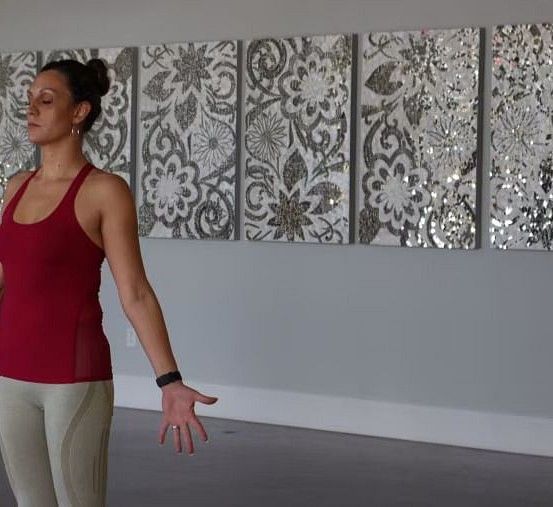
1. Practice Mindfulness and Meditation
Mindfulness and meditation are practices for calming the mind and anxiety reduction. By paying attention to your breathing, your body sensations and surroundings without judgment, you develop awareness and relaxation.
How to Implement:
- Sit quietly for a few minutes each day to breathe.
- Start with meditation sessions at YO1.
- Practice mindful activities like walking, eating or washing dishes by being fully present to the experience.
2. Do Regular Physical Activity
Endorphins produced by exercise are mood elevators. Exercise also lowers levels of the stress hormones adrenaline and cortisol, which weigh on mood and fuel anxiety.
How to Implement:
- Choose activities that interest you - walking, jogging, swimming or yoga.
- Try to fit in thirty minutes of moderate exercise most days of the week.
- Move more physically throughout the day by taking the stairs, taking a quick walk during breaks, or stretching at your desk.
3. Maintain a Healthy Diet
A healthy diet might affect your mood and energy. Nutrient-rich foods give the body and mind the building blocks for optimal function and fewer anxieties and stresses.
How to Implement:
- Build meals around fresh fruit and vegetables, whole grains and lean protein.
- Limit caffeine, alcohol and sugary foods, which can worsen anxiety symptoms.
- Drink lots of water during the day.
4. Establish a Sleep Routine
Good sleep is important for mental health. Sleep deprivation increases emotional stress and anxiety, while regular sleep improves mood, cognitive function and well-being.
- Sleep 7-9 hours each night.
- Establish a bedtime routine that signals your body it's time to relax - read, bath, or do gentle yoga.
- Keep it consistent - go to bed and wake at the same time each day, including weekends and holidays.
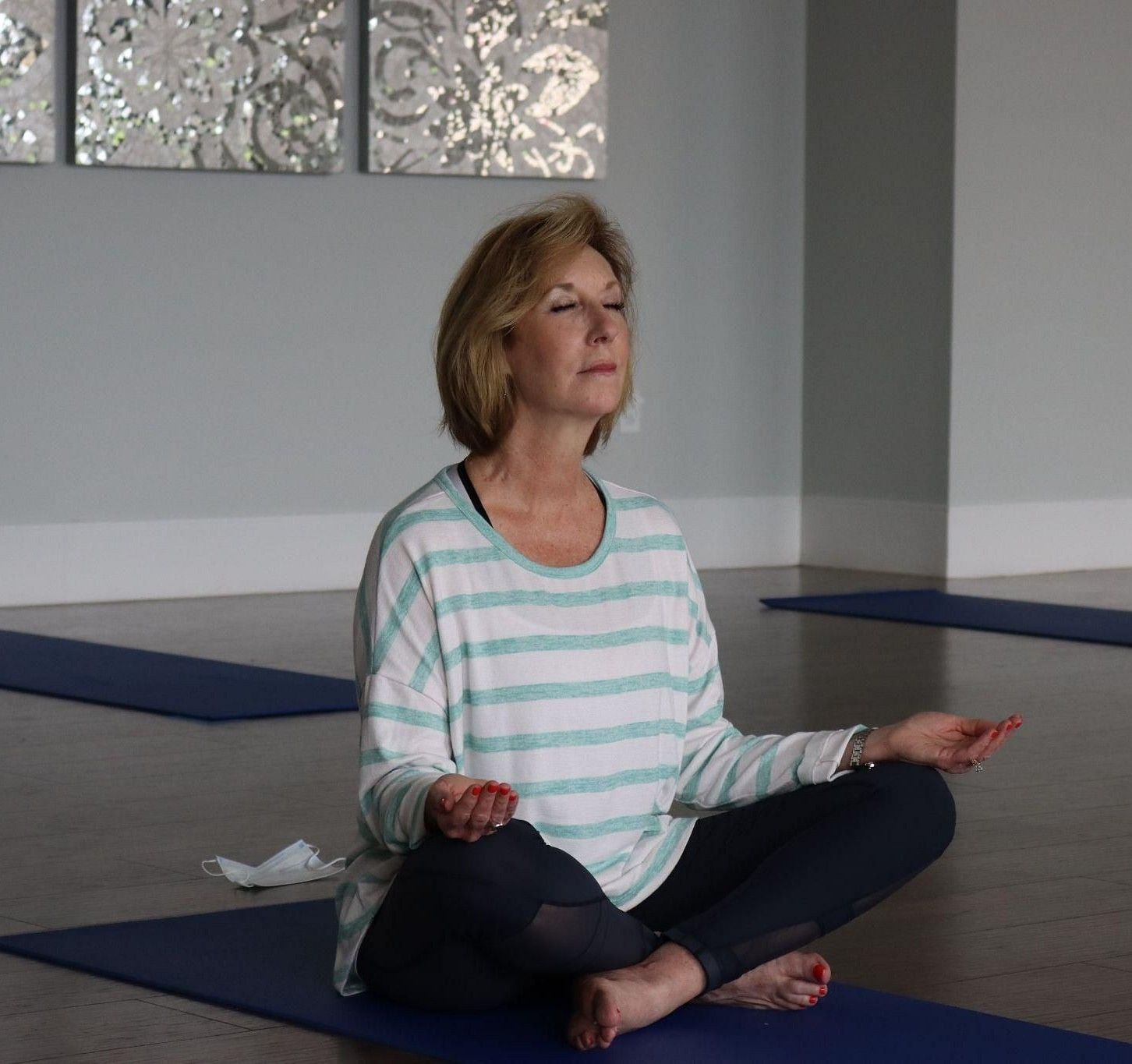
5. Use Relaxation Techniques
Relaxation techniques like deep breathing, progressive muscle relaxation and visualization can release tension and create calm.
How to Implement:
- Inhale through your nose for a count of four, then exhale steadily through your mouth for a count of six.
- Tense and relax each muscle group in your body to create progressive muscle relaxation.
- Use guided imagery or visualization to imagine a peaceful scene or situation to distract the mind from stressors.
6. Connect with Others
Managing stress and anxiety is easier with social support.
How to Implement:
- Spend time with those you love and have conversations.
- Join clubs, organizations or activities that interest you to meet people and make friends.
- Seek out professional assistance if you want somebody to speak to about your stress and anxiety.
7. Make a Balanced Schedule
Work/leisure and self-care balance can prevent burnout and stress. An overly crowded schedule can increase anxiety; a balanced approach allows for rest and recuperation.
How to Implement:
- Prioritize tasks and set realistic goals for what you can do in a day.
- Schedule regular breaks and downtime to recharge.
- Practice saying no to avoid overcommitting yourself to activities and responsibilities.
8. Practice Positive Thinking
Positive thinking redirects attention away from stressors to solutions to improve your outlook on life and decrease anxiety.
How to Implement:
- Challenge negative thoughts by questioning their validity and replacing them with positive, realistic thoughts.
- Write down things you are thankful for each day in a journal.
- Say affirmations or positive statements to build your confidence and resilience.
A Reset for an Anxious Moment
The tips above work at the level of weeks and months. Sometimes what you need is something for the next 5 minutes, and two techniques are reliable enough to be worth learning properly.
Lengthen the exhale
Breathing out for longer than you breathe in shifts the nervous system toward its calming branch. Breathe in through the nose for a count of four, then out through the mouth for a count of six to eight. Repeat for around two minutes. There is no need to hold your breath at any point, and the exhale being longer than the inhale is the part that matters.
Come back to the room
When thoughts are racing, grounding the senses interrupts the loop. Name five things you can see, four you can feel, three you can hear, two you can smell and one you can taste. It feels mechanical, which is precisely why it works, because it gives an overloaded mind a small, finishable task.
When It Is More Than Everyday Stress
Everyday pressure is one thing. Anxiety can also be a condition in its own right, and the difference is worth knowing, because the second responds to treatment that self-care alone will not provide.
It is worth speaking to a doctor if:
- The worry is present most days and has been for six months or more
- It feels out of proportion to what is actually happening, and difficult to control
- It is affecting your sleep, your work, or your relationships
- You are avoiding places, people or situations to keep it manageable
- There are physical symptoms - a racing heart, chest tightness, shaking, or stomach trouble, with no medical explanation
- You are having panic attacks
- You are drinking more, or using anything else, to get through the day
Anxiety disorders are among the most treatable conditions there are, through talking therapy, medication, or both. Asking for help is not an admission that anything else has failed—good daily habits work well alongside proper treatment.
If you are in crisis or having thoughts of harming yourself, call or text 988 to reach the Suicide and Crisis Lifeline in the United States. It is free, confidential and available at any hour.
Conclusion
FAQs
Q: How can YO1 Longevity and Health Resorts help guests on their way to holistic well-being?
Q: What are anxiety and stress and exactly why do they impact us so significantly?
Q: How to manage daily stress and anxiety?
Get in Touch
Press Coverage



Connect with Us, Start Your Journey
+1 845 237 9100 | Mon - Sun 9:00 AM to 9:00 PM
Book Your Stay